>>

A classic, buttery Thanksgiving stuffing made with toasted bread, sautéed aromatics, fresh herbs, and rich broth — crisp on top and tender inside.
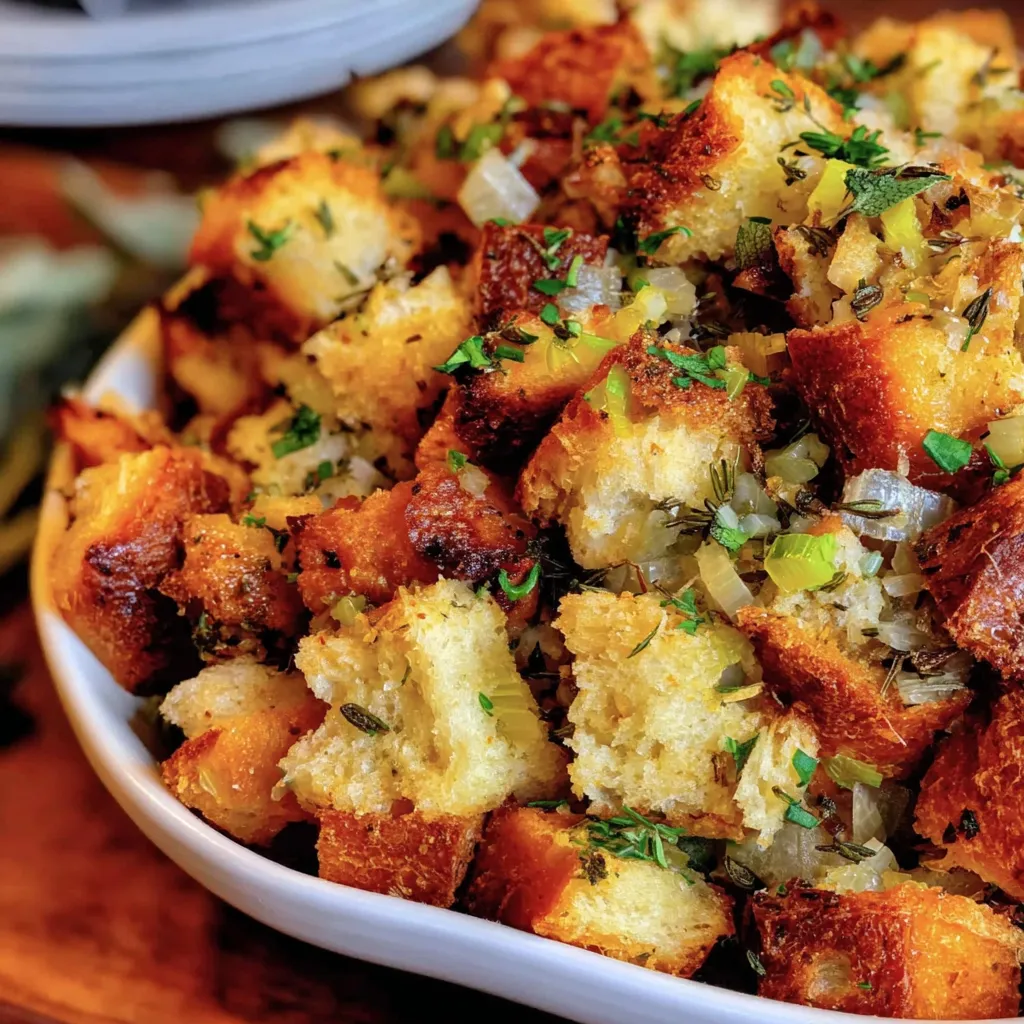
This traditional Thanksgiving stuffing has been the anchor of my holiday table for as long as I can remember. I first learned this approach on a brisk November afternoon when my grandmother handed me a handwritten card with the ingredient list and a wink: "Make it with love, and don’t rush the bread." The method is simple but precise — dry the bread gently, sweat the vegetables until soft, and hydrate the mixture just enough so every bite is moist without being soggy. The result is a contrast of textures: a tender interior punctuated by a golden, crunchy top. It smells like holiday nostalgia and tastes like family gathered around the table.
I discovered certain little tricks over the years that elevate this dish from ordinary to unforgettable. Toasting the bread at a low temperature dries it uniformly without browning, allowing it to absorb broth evenly. Using a mix of bread types — crusty sourdough with some soft French bread — adds complexity of texture and flavor. Fresh herbs (especially sage and parsley) give the stuffing a bright, herbaceous backbone that balances the richness from butter and eggs. Every Thanksgiving, this side disappears first and the comments of "make sure you save me some" have become part of the ritual.
I’ve tested this version across several Thanksgiving dinners and the consistent result is the same: full trays disappear quickly. Guests tell me they love the balance of moisture and crunch — and I love how forgiving the method is when you adjust broth slightly to get the right texture.
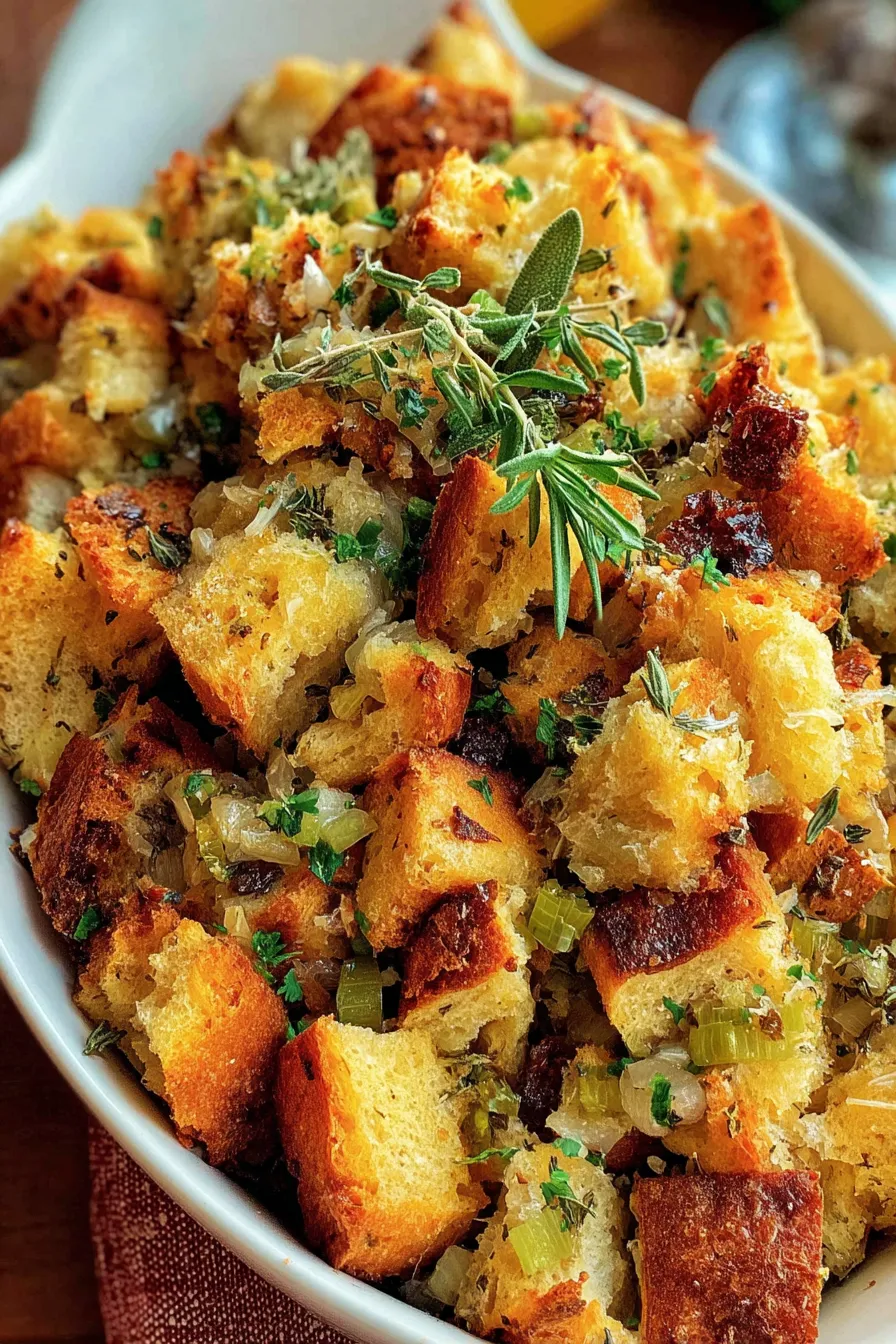
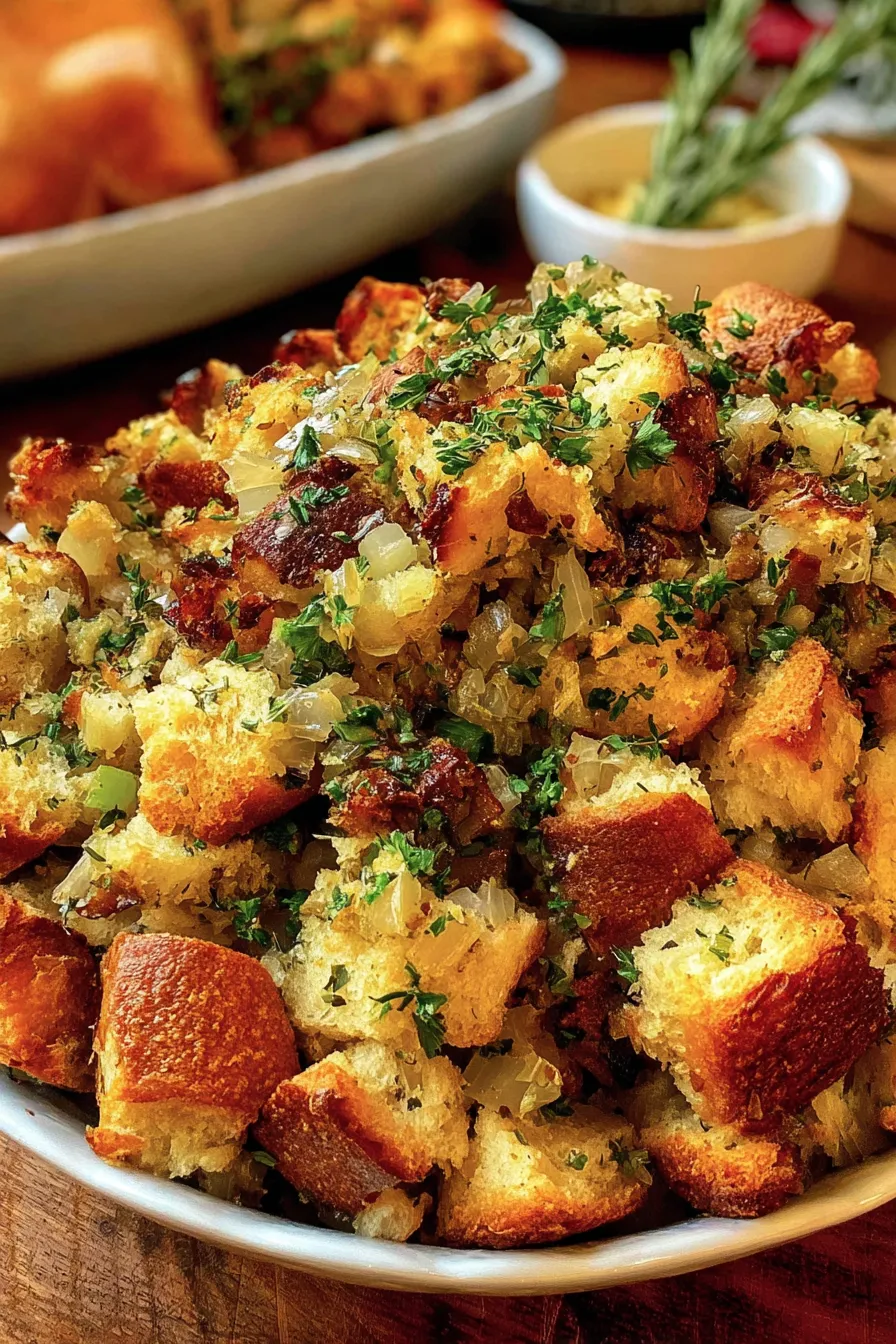
My favorite part of this preparation is the aroma as it bakes — sage and butter filling the kitchen — and how that smell always signals the start of holiday conversation. Years ago, I brought this to a potluck and someone asked for the recipe on the spot; it’s become a tradition to share it with new cooks because the method is forgiving yet produces reliably delicious results.
Store cooled leftovers in an airtight container in the refrigerator for up to 3–4 days. For longer storage, pack into freezer-safe containers or heavy-duty resealable bags and freeze for up to 3 months; press out excess air to protect texture. To reheat, thaw overnight in the refrigerator, then transfer to a buttered 9x13 dish, sprinkle a little extra broth or melted butter if it seems dry, cover with foil and warm at 325°F until heated through (about 20–30 minutes). Remove foil and bake for 5–10 minutes to refresh the crisp top. Avoid microwaving large portions as it can turn the stuffing gummy.
If you need to adapt, use these swaps: for a vegetarian version use vegetable broth and increase herbs for depth; replace butter with olive oil or vegan butter for dairy-free diets, though flavor will be subtly different; substitute gluten-free bread (ensure it’s fairly dry before hydrating) for those avoiding gluten; use turkey stock for a richer poultry note. For a richer texture, fold in ½ cup cooked, crumbled breakfast sausage or ¾ cup toasted pecans for crunch. When substituting breads, maintain roughly 1 pound total so liquid ratios remain reliable.
Serve straight from the casserole dish alongside roast turkey, glazed carrots, and cranberry sauce. For a contemporary twist, spoon portions into hollowed-out acorn squash halves for an elegant presentation, or top with warm gravy at the table. Garnish with a few extra chopped parsley leaves and a few crispy sage leaves pan-fried in butter for a delicate crunch. This side is versatile: pair with roasted Brussels sprouts or a simple green salad to balance richness.
Stuffing (or dressing, depending on regional terminology) is an American holiday essential with roots in European savory bread-based fillings. Early versions used whatever stale bread and herbs were available, often mixed with liver or offal in historic recipes. Over time, the modern American version evolved to emphasize butter, celery, onion, and sage — flavors that pair naturally with roasted poultry. Regional variations include cornbread-based mixtures in the South and sausage-added versions in New England, reflecting local ingredients and culinary traditions.
In autumn, add toasted pumpkin seeds and roasted butternut squash cubes for a seasonal spin; during winter holidays, fold in dried cranberries and chopped apples for sweet-tart contrast. For spring gatherings, brighten the mixture with lemon zest and a handful of fresh chives. On cold nights, stir in a cup of shredded Gruyère or sharp cheddar before baking for added comfort. These changes keep the basic method intact while allowing the dish to reflect seasonal produce and festive flavors.
One Thanksgiving I under-toasted the bread and the mixture was slightly gummy; a quick solution was to spread the mixture on a sheet and bake at 325°F uncovered for 15 minutes to drive off excess moisture before transferring to the casserole dish. Since then, I always test a small handful for texture before assembling. Guests often remark on the consistent balance of moisture and crunch — last year a neighbor told me it tasted "like childhood, but better." Those small compliments are why I keep this version in my holiday repertoire.
Toast the bread up to 48 hours ahead and store in a sealed container. Sauté the onion and celery the morning of the event and refrigerate; reheat briefly before mixing to meld flavors. Assemble the mixture into the casserole dish, cover tightly, and store in the fridge until baking time. If transporting to a potluck, bake at home and reheat covered at 325°F for 20–25 minutes at your destination, finishing uncovered to refresh the crust.
Take a breath, play a favorite song, and enjoy the ritual of making this side — it’s simple, reliable, and always worth the effort. Share it with people you love and invite them to bring a small twist of their own.
Toast bread at 250°F until dry but not browned to ensure even absorption and prevent sogginess.
Use low-sodium broth and taste before adding extra salt; adjust seasoning after mixing the wet ingredients.
Sauté aromatics until translucent, not browned, to preserve their sweet, mellow flavor.
If preparing ahead, toast bread and sauté aromatics up to 48 hours in advance and refrigerate separately.
When reheating, add a splash of broth or melted butter before warming to refresh moisture and flavor.
This nourishing traditional thanksgiving stuffing recipe is sure to be a staple in your kitchen. Enjoy every moist, high protein slice — it is perfect for breakfast or as a wholesome snack any time.
If your stuffing is too dry after baking, serve with warm gravy or a splash of hot broth. If too wet, bake uncovered at 375°F for 10–15 minutes to crisp the top.
Yes — toast the bread at 250°F for about an hour until dry but not browned. This ensures even absorption of broth.
This Traditional Thanksgiving Stuffing recipe makes perfectly juicy, tender, and flavorful steak every time! Serve with potatoes and a side salad for an unforgettable dinner in under 30 minutes.
Preheat oven to 250°F. Tear or cube bread into 1–2 inch pieces and spread on a rimmed baking sheet. Toast for about 1 hour, stirring occasionally, until fully dried but not browned.
Melt butter in a large skillet over medium heat. Add chopped onion and diced celery, sautéing 7–10 minutes until softened and translucent but not browned.
In a large bowl, combine the toasted bread, sautéed vegetables, parsley, sage, rosemary, thyme, salt, and pepper. Stir to distribute ingredients evenly.
Whisk eggs and 2 cups of broth together. Gradually pour over the bread mixture while mixing by hand until moist but not soggy; add up to ½ cup more broth if needed.
Grease a 9x13-inch dish with butter, transfer the mixture, cover with foil and bake at 350°F for 40 minutes. Remove foil and bake an additional 25–35 minutes until the top is golden and crispy.
Last Step: Please leave a rating and comment letting us know how you liked this recipe! This helps our business to thrive and continue providing free, high-quality recipes for you.
Leave a comment & rating below or tag
@paletina on social media!
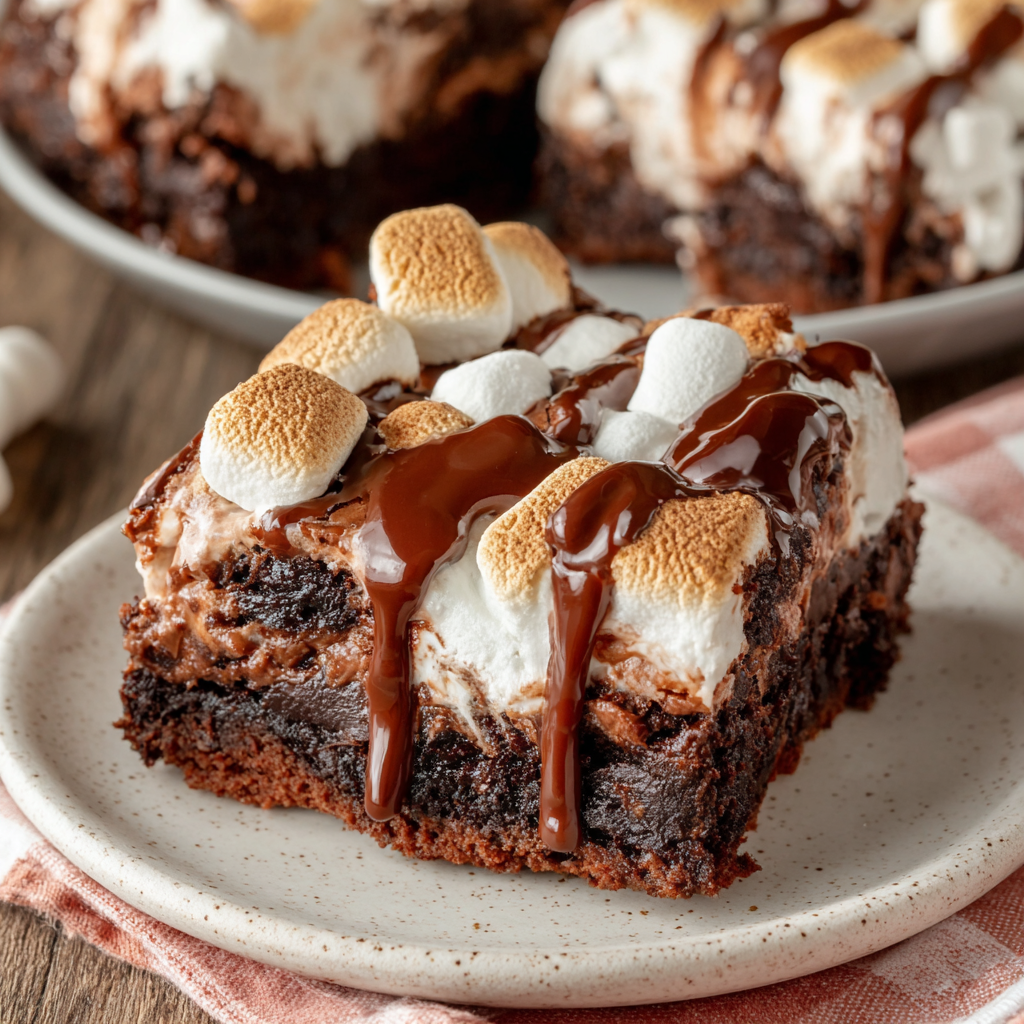
Ultra-fudgy brownies packed with chocolate chunks, crowned with gooey marshmallows and glossed with warm chocolate frosting for a decadent crowd-pleaser.
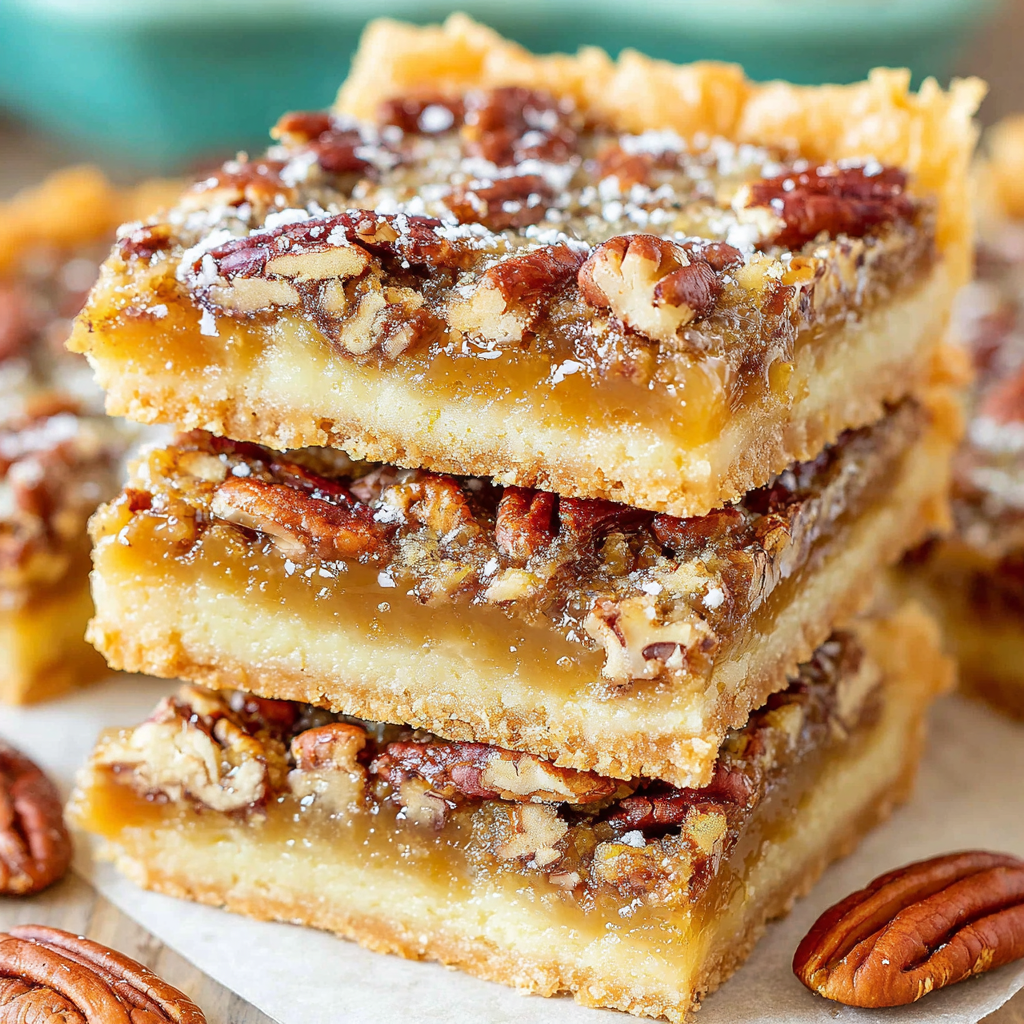
Buttery shortbread crust topped with a gooey brown sugar-pecan filling. Ten minutes to prep, irresistibly crunchy edges, and perfect for make-ahead treats.
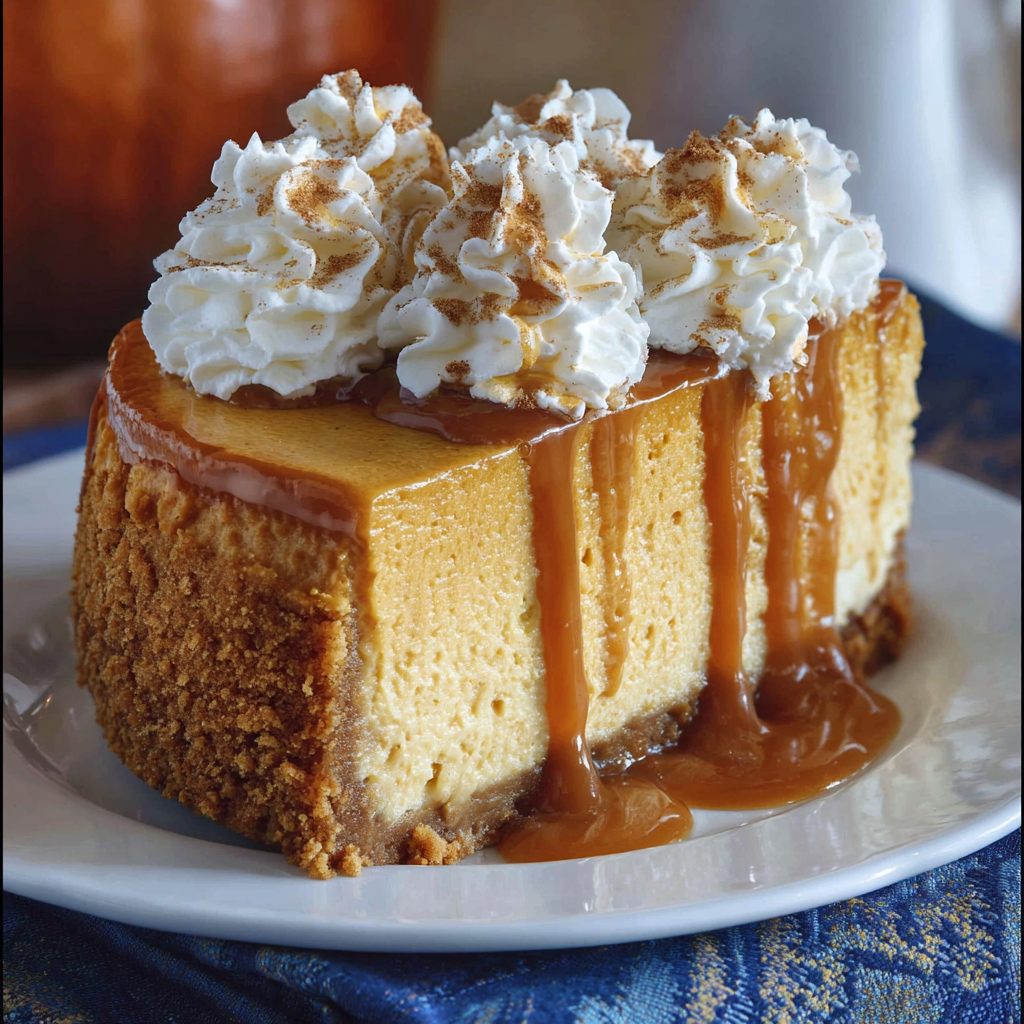
Silky, crack-free pumpkin cheesecake with warm spice, buttery graham crust, and make-ahead convenience for showstopping holiday dinners.
Leave a comment & rating below or tag @paletina on social media!
Enjoyed this recipe? Share it with friends and family, and don't forget to leave a review!
This recipe looks amazing! Can't wait to try it.
Comments are stored locally in your browser. Server comments are displayed alongside your local comments.

Join to receive our email series which contains a round-up of some of our quick and easy family favorite recipes.