>>

A simple, buttery garlic salmon inspired by the steakhouse favorite—seared to a crisp exterior and finished with a lemony garlic-butter baste for restaurant-quality flavor at home.
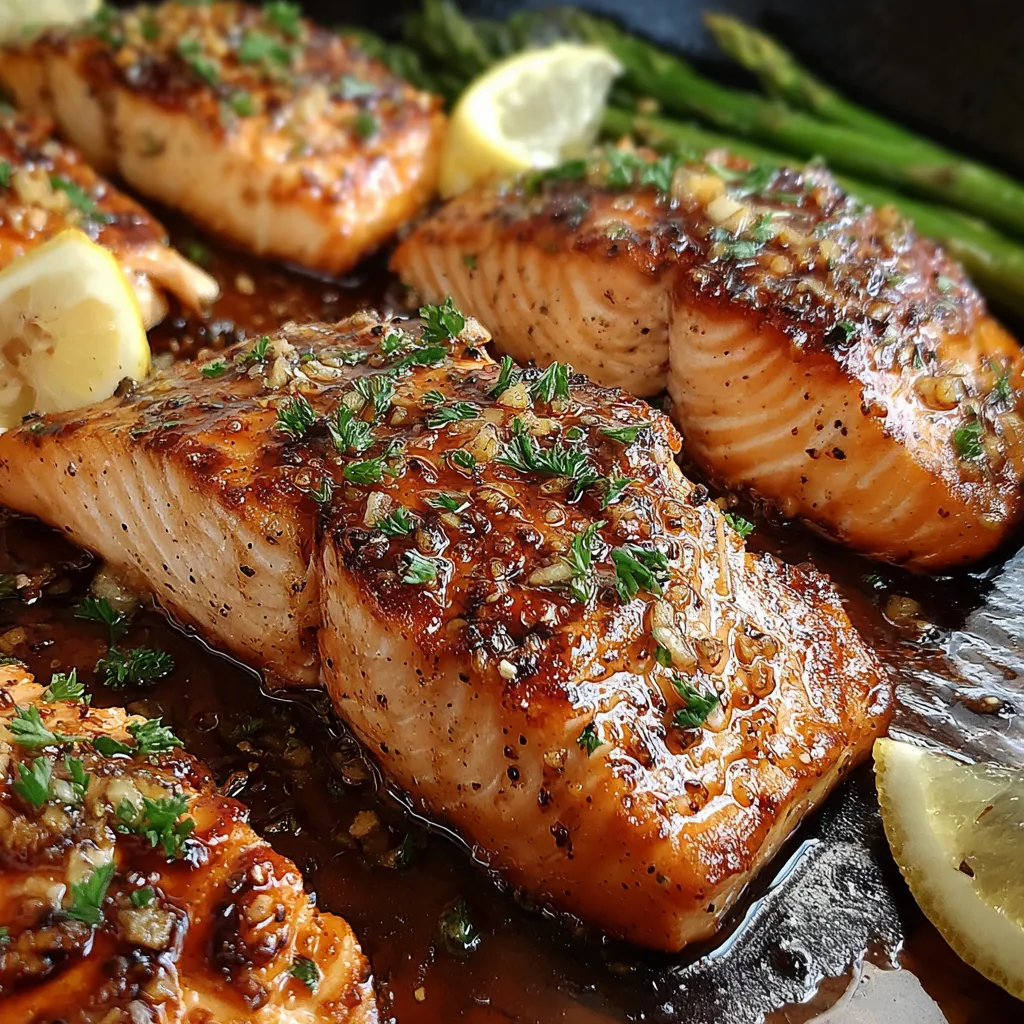
This Texas Roadhouse–style grilled salmon has earned a permanent place in my weeknight rotation. I first recreated this version after a family dinner out where the salmon arrived with a lacquered garlic-butter sheen and a crisp edge that made everyone at the table go quiet for a beat. It’s the kind of dish that tastes indulgent but comes together with pantry staples and a quick skillet sear—perfect for nights when you want something impressive without fuss.
I discovered this technique when experimenting with cast-iron searing and clarified how a short, hot cook preserves the salmon's buttery interior while building a slightly crunchy exterior. The lemon brightens the richness, and the garlic-butter finish gives it the steakhouse personality I love. Whether you keep the skin on for extra texture or remove it for presentation, the result is the same: flaky, tender fillets with a glossy, savory finish that pairs as well with a simple salad as it does with loaded mashed potatoes.
In my kitchen this dish always means conversation—my partner teases that the lemon is the "secret handshake" and the kids race to claim the buttery pan sauce. It’s one of those recipes that turns an ordinary night into a small celebration without much effort.
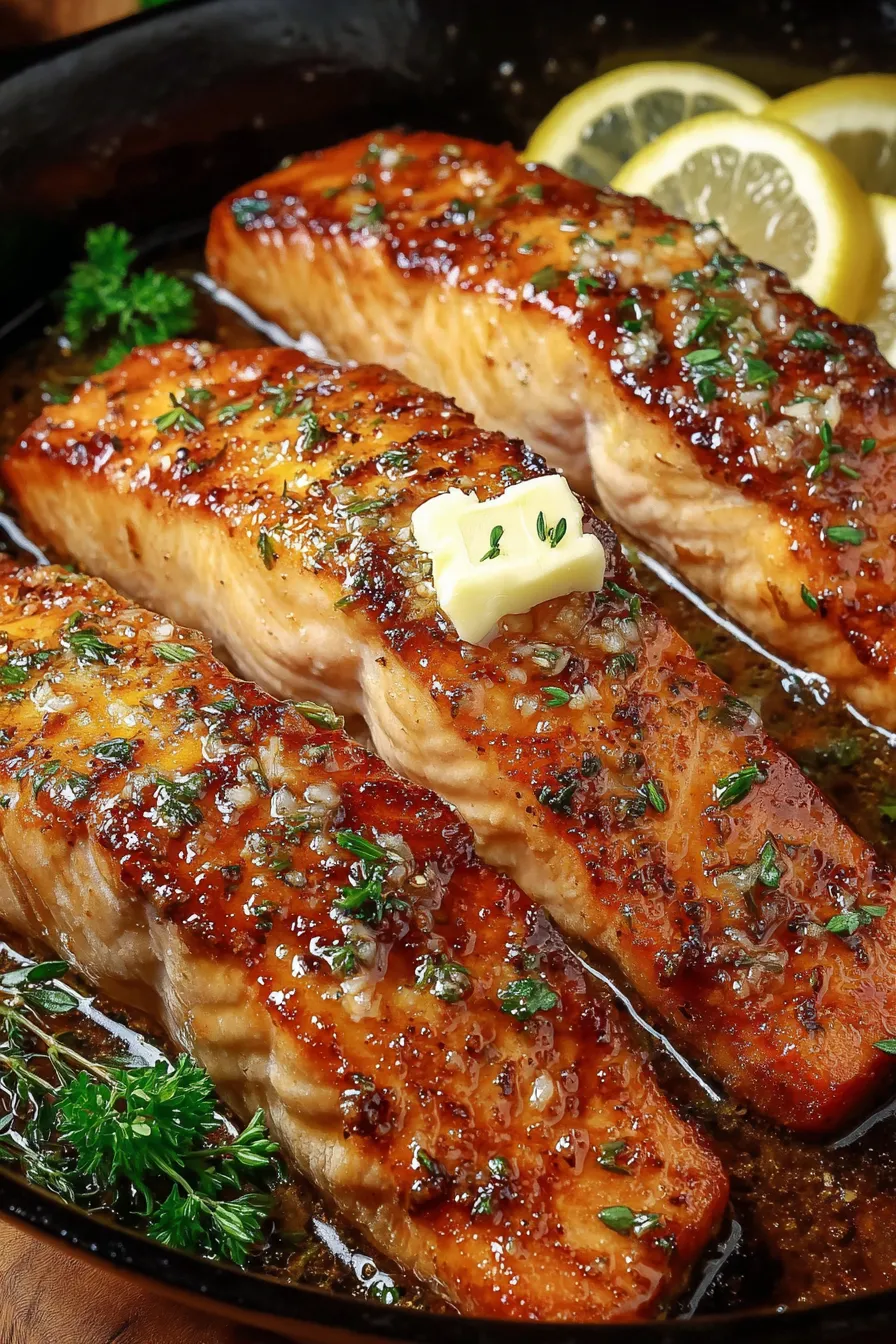
My favorite part of cooking this is the moment I spoon the melted garlic-butter over the flipped fillets—the aroma fills the kitchen and always draws people in. Once, a friend swapped a planned steak for this and declared it the best "non-steak" main course they’d had in months. Those little victories keep me reaching for this method.
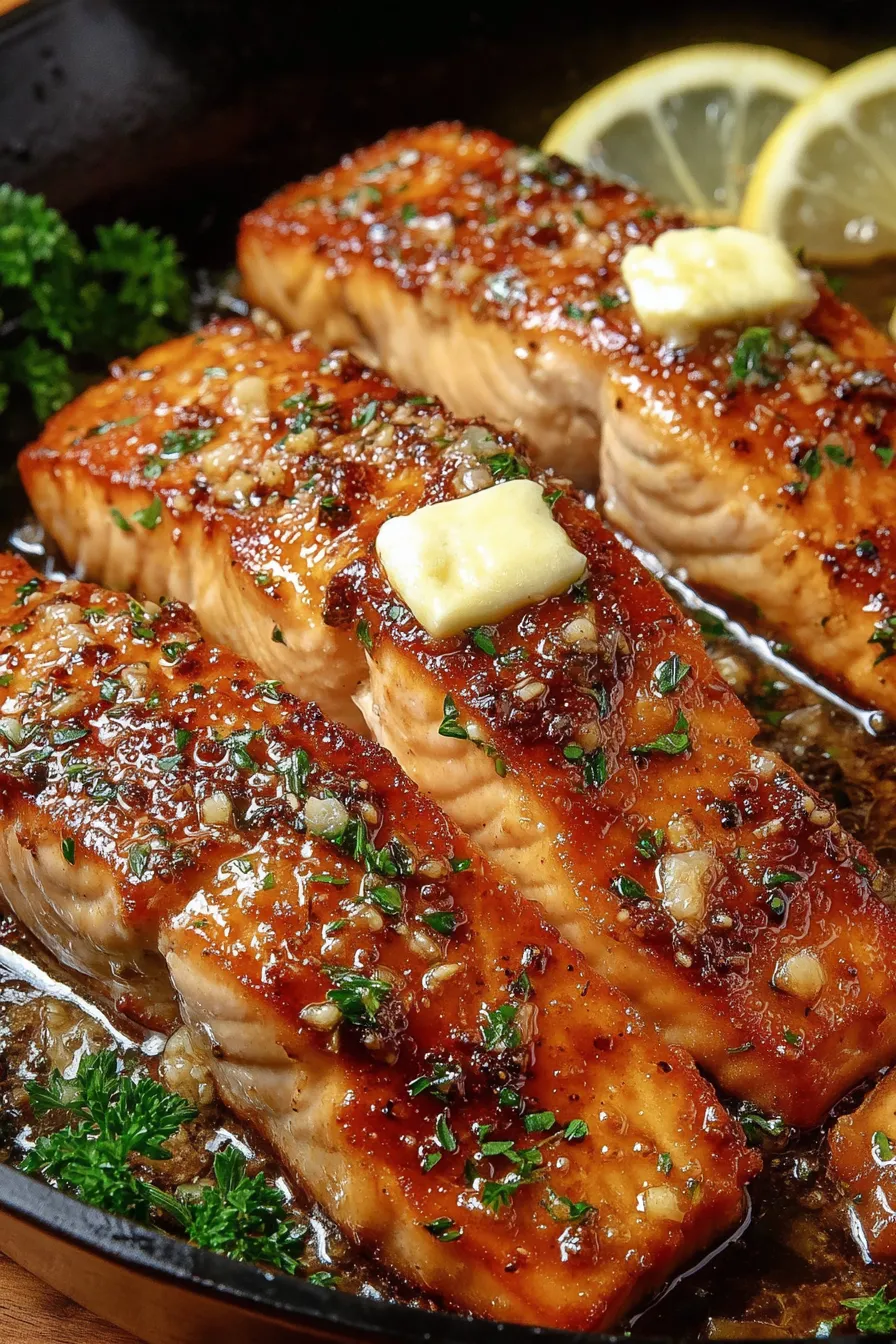
Store cooled fillets in an airtight container in the refrigerator for up to 3 days. If you plan to freeze, wrap each fillet tightly in plastic wrap and place in a freezer bag; freeze up to 3 months. Reheat gently in a low oven (275–300 °F) for 8–12 minutes to avoid drying out—add a splash of water or extra butter to the dish to refresh moisture. For best texture, avoid microwaving on high, which can quickly overcook and toughen the fish.
If you need a dairy-free version, swap the butter for vegan butter or an extra tablespoon of olive oil plus 1 teaspoon of lemon zest to mimic richness. For a lower-fat option, use 2 tablespoons butter and 1 tablespoon olive oil. If fresh lemon isn’t available, 1/2 teaspoon bottled lemon juice can be used, though the zest and fresh juice provide brighter flavor. For a stronger garlic profile, add 1/2 teaspoon granulated garlic during seasoning and retain the fresh garlic for the pan sauce.
Serve with a crisp green salad and roasted fingerling potatoes for a balanced plate, or place on a bed of buttered rice or quinoa to soak up the pan sauce. Garnish with chopped parsley, chives or a thin lemon wheel for color. For a lighter pairing, add steamed asparagus or a chilled cucumber-dill salad to complement the richness.
While not an authentic Texas Roadhouse recipe, this preparation borrows the steakhouse spirit—browning for texture and finishing with butter and lemon—common in American restaurant cooking. The method reflects a classic pan-sear technique used widely in coastal kitchens where fresh salmon is abundant and chefs seek to highlight natural flavors with minimal adornment.
In spring and summer, add a quick salsa of diced tomato, basil and olive oil as a bright topping. In autumn and winter, swap lemon for a splash of apple-cider vinegar in the butter or finish with roasted shallots for depth. The cooking method remains the same; seasonal accents allow the dish to stay relevant year-round.
Season fillets up to 2 hours ahead and keep covered in the refrigerator to reduce last-minute work. Cook just before serving for best texture; alternatively, cook fully and chill quickly for use in salads or grain bowls. Pack cooled fillets between layers of parchment in airtight containers to avoid sogginess and reheat gently in a low oven.
As you bring this to the table, remember that small techniques—drying the fillets thoroughly, preheating the pan, and using an instant-read thermometer—are what separate good from great. Enjoy sharing this simple, soulful dish with friends and family; it’s quick enough for weeknights and polished enough for company.
Pat salmon completely dry before seasoning to ensure the surface browns rather than steams.
Use a heavy cast-iron skillet and preheat it until the oil just begins to shimmer—this prevents sticking and builds a crust.
Baste with garlic-butter at the end rather than cooking garlic for a long time to avoid burning and bitterness.
Let seasoned fillets rest at room temperature for 10 minutes before cooking to promote even cooking.
If using skin-on fillets, start skin-side down for extra crispness and structure during the flip.
This nourishing texas roadhouse–style grilled salmon recipe is sure to be a staple in your kitchen. Enjoy every moist, high protein slice — it is perfect for breakfast or as a wholesome snack any time.
Use an instant-read thermometer inserted into the thickest part of the fillet. Aim for 125 °F for medium-rare; remove from heat and allow carryover.
Pat fillets thoroughly dry, preheat a heavy skillet until hot, and avoid moving the salmon until it releases easily to ensure a good sear.
This Texas Roadhouse–Style Grilled Salmon recipe makes perfectly juicy, tender, and flavorful steak every time! Serve with potatoes and a side salad for an unforgettable dinner in under 30 minutes.
Rinse and pat salmon completely dry. Mix salt, pepper, garlic powder and lemon zest and rub onto flesh side. Rest at room temperature 10 minutes or refrigerate up to 2 hours.
Heat a cast-iron skillet over medium-high, add olive oil. Place fillets flesh-side down or skin-side down and cook undisturbed 3–4 minutes until edges turn opaque and a crust forms.
Flip gently and cook 2–3 more minutes. Aim for an internal temperature of 125 °F for medium-rare; adjust time for thickness.
Lower heat to medium, add butter and minced garlic. As butter melts, baste fillets with the garlic-butter and squeeze lemon juice over the top.
Transfer fillets to a warm plate, spoon pan sauce over the top and garnish with lemon or herbs. Serve immediately.
Last Step: Please leave a rating and comment letting us know how you liked this recipe! This helps our business to thrive and continue providing free, high-quality recipes for you.
Leave a comment & rating below or tag
@paletina on social media!
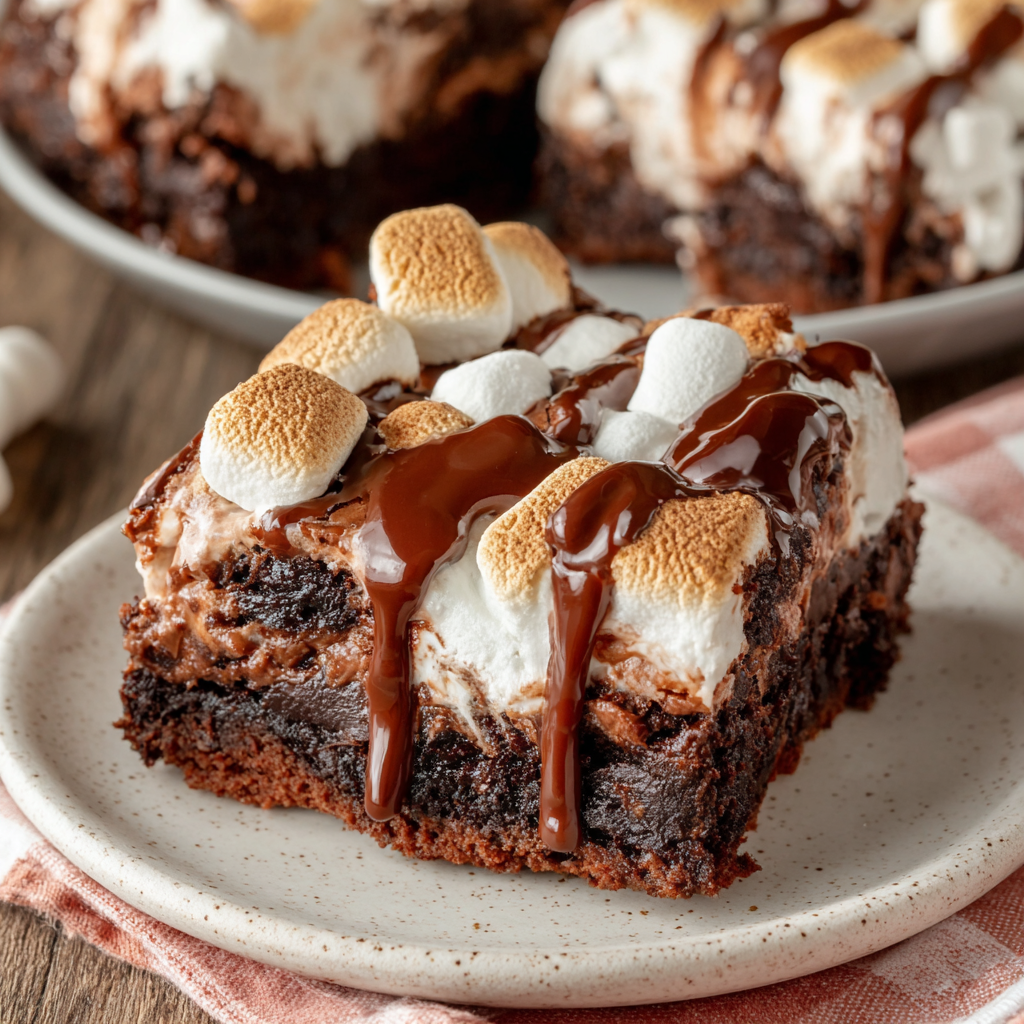
Ultra-fudgy brownies packed with chocolate chunks, crowned with gooey marshmallows and glossed with warm chocolate frosting for a decadent crowd-pleaser.
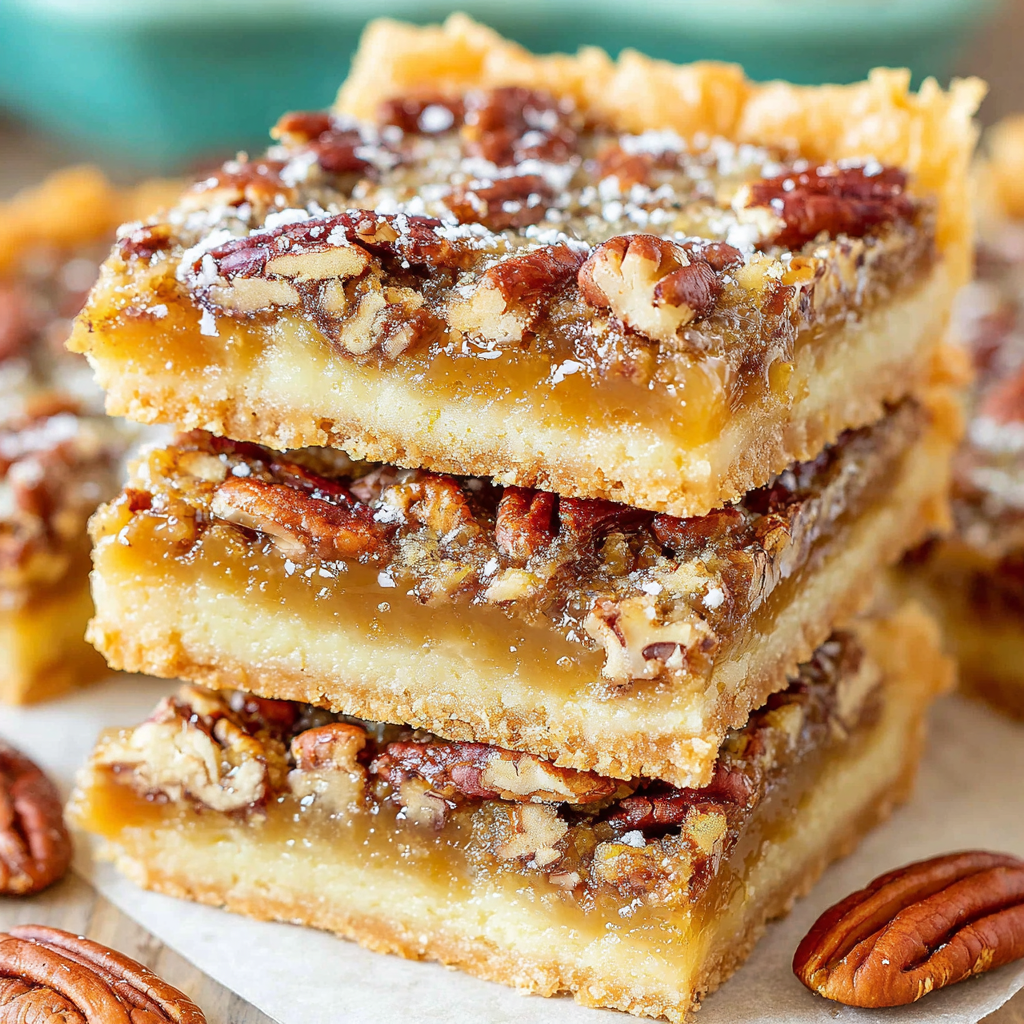
Buttery shortbread crust topped with a gooey brown sugar-pecan filling. Ten minutes to prep, irresistibly crunchy edges, and perfect for make-ahead treats.
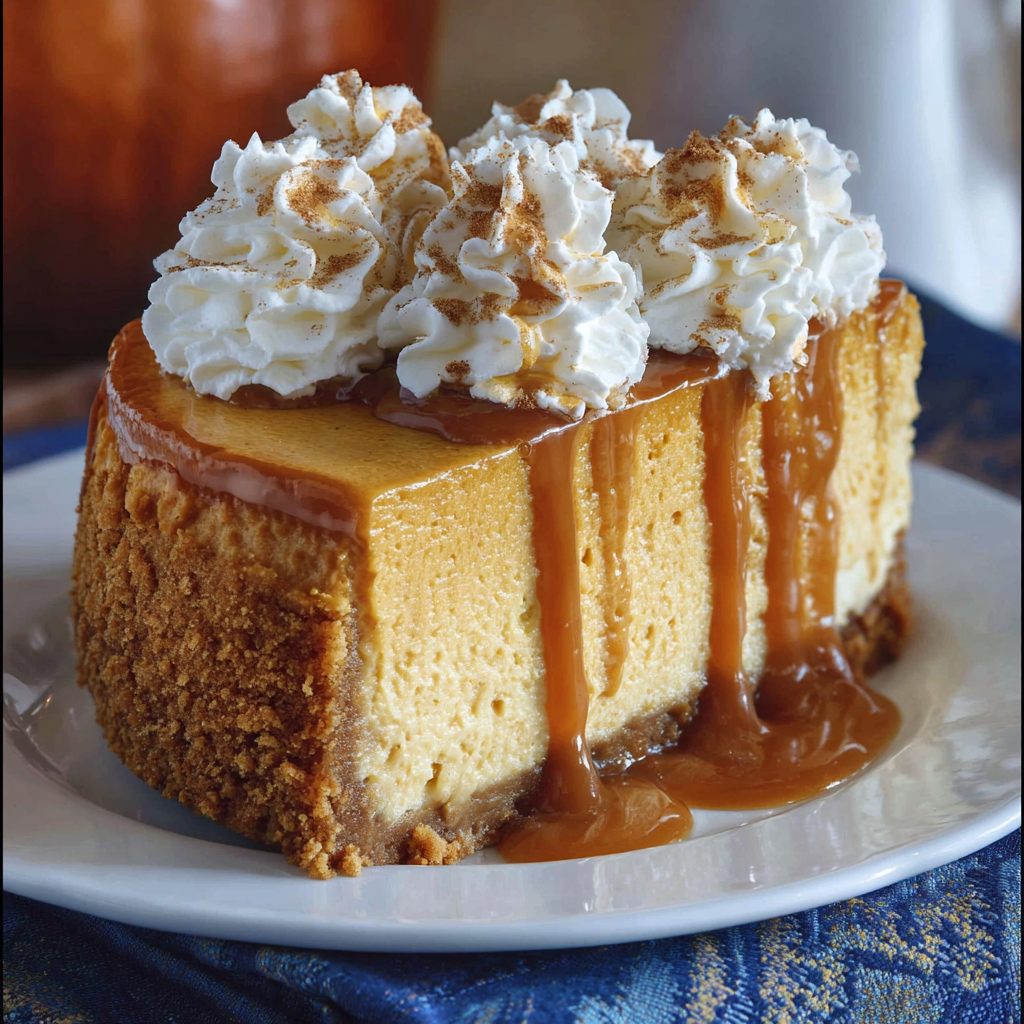
Silky, crack-free pumpkin cheesecake with warm spice, buttery graham crust, and make-ahead convenience for showstopping holiday dinners.
Leave a comment & rating below or tag @paletina on social media!
Enjoyed this recipe? Share it with friends and family, and don't forget to leave a review!
This recipe looks amazing! Can't wait to try it.
Comments are stored locally in your browser. Server comments are displayed alongside your local comments.

Join to receive our email series which contains a round-up of some of our quick and easy family favorite recipes.