>>

Tender pork medallions seared to golden perfection and finished in a silky white-wine cream sauce—simple enough for weeknights, elegant enough for guests.
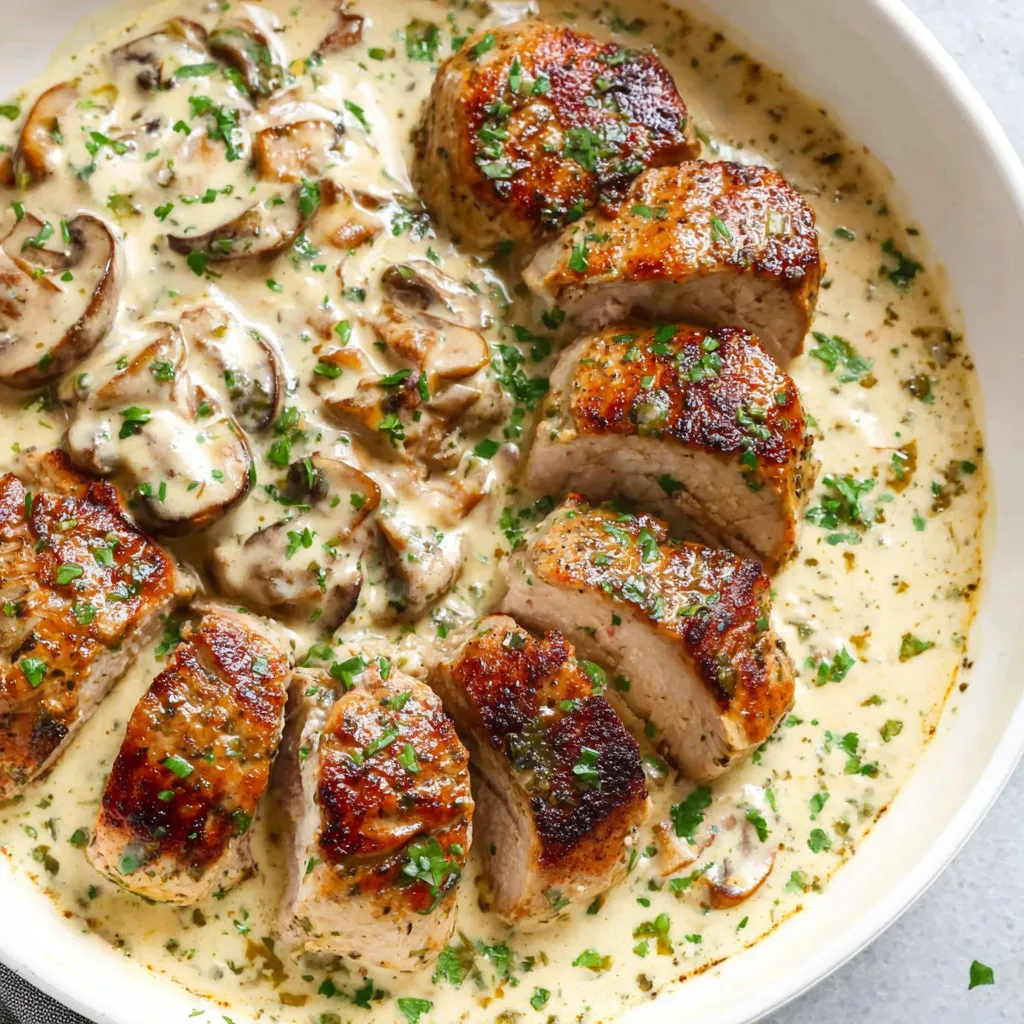
My family’s reaction to this dish has always been enthusiastic—picky eaters have leaned in for seconds, and friends often ask for the recipe. I discovered a few little techniques along the way: dry the pork well before searing, don’t overcrowd the pan, and spoon the sauce over the slices while they rest so every bite is glossy and flavorful.
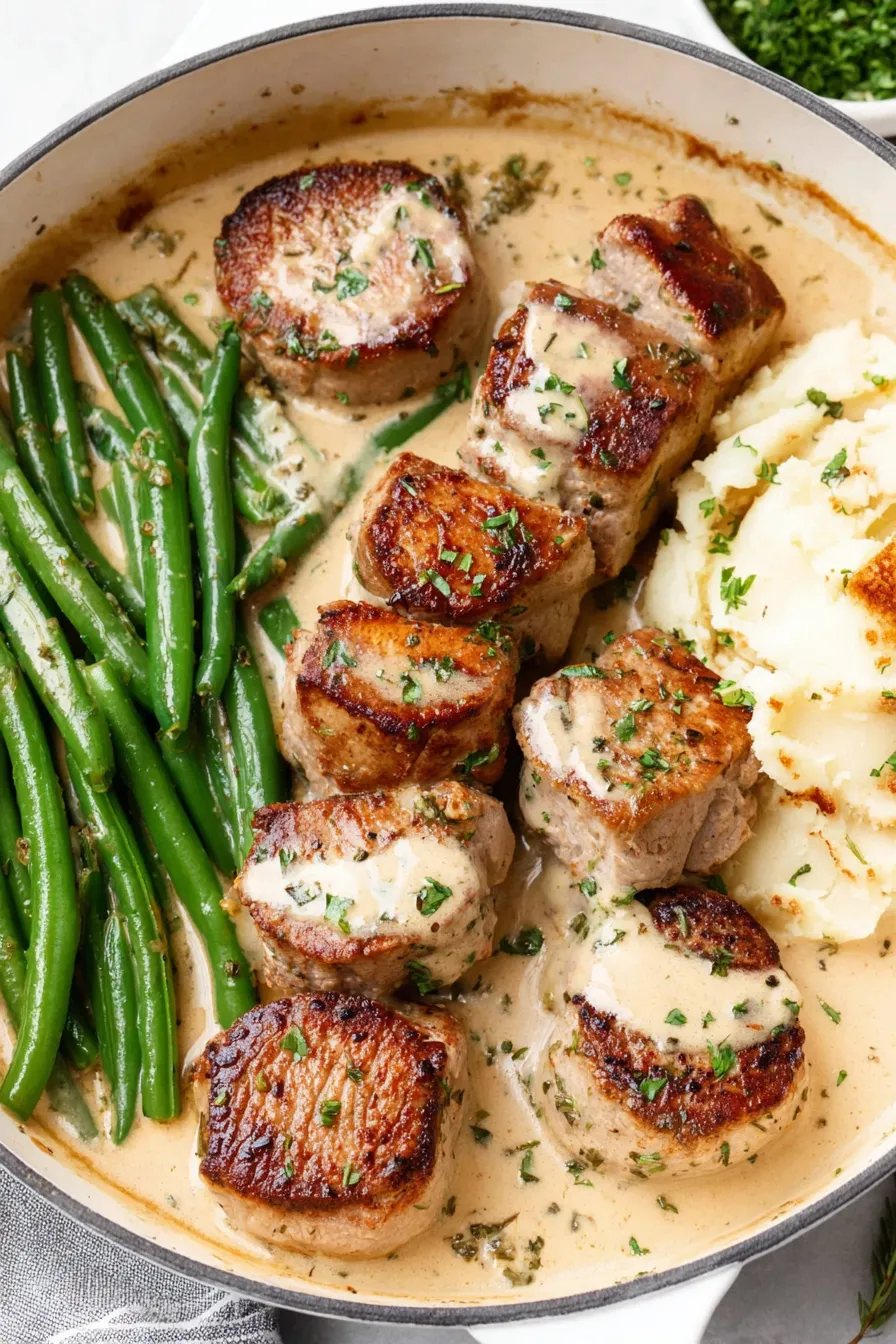
My favorite thing about this preparation is how reliably it transforms simple ingredients into something restaurant-worthy. Once I started spooning the sauce over the resting medallions, dinner instantly felt polished. Guests often comment on the silky sauce, and leftovers reheated gently on low maintain texture and flavor well.
Let the pork cool to near room temperature before refrigerating. Transfer to an airtight container and refrigerate for up to 3 days. For freezing, place pork and sauce in a freezer-safe container or heavy-duty resealable bag, removing as much air as possible; freeze up to 3 months. To reheat, thaw overnight in the refrigerator if frozen, then warm gently in a skillet over low heat with a splash of broth or water to loosen the sauce—high heat can separate the cream and dry out the meat.
For a lighter version, substitute half-and-half for heavy cream and reduce cornstarch to 3/4 teaspoon for a slightly thinner sauce. Dairy-free options include full-fat coconut cream or a cashew cream substitute; expect a subtle coconut or nutty flavor. If you prefer no alcohol, replace the wine with an additional 1/4 cup chicken broth plus 1 tablespoon white wine vinegar for brightness. For a gluten-free pantry, ensure your chicken broth and cornstarch are certified gluten-free.
Serve slices over buttery mashed potatoes, creamy polenta, or wide egg noodles to catch every drop of sauce. A crisp simple salad of arugula with lemon vinaigrette cuts through the richness, and roasted seasonal vegetables—green beans, asparagus, or carrots—add color and texture. Garnish with extra parsley or a squeeze of lemon for brightness. For a dinner party, plate individual medallions with a drizzle of sauce and a scattering of chopped parsley or chives.
This preparation draws on classic French technique—searing meat and finishing in a pan sauce built from deglazing with wine and finishing with cream. While not a historical dish, it reflects continental flavor profiles where alcohol is used to lift and concentrate savory notes. Variations across Europe might use mustard, cream, or mushrooms; this version keeps the profile clean and focused on the wine and garlic.
In spring and summer, swap parsley for a combination of chopped tarragon and chives for a fresher finish, and pair the pork with lemony asparagus. In autumn, stir in sautéed sliced mushrooms or fold in a spoonful of Dijon mustard for extra depth. During winter holidays, use Herbs de Provence for a subtly festive aroma and serve alongside roasted root vegetables and a cranberry relish for contrast.
To prep ahead, slice and season the pork, then store covered in the refrigerator for up to 24 hours. You can also sear the pork a day ahead and refrigerate; warm in the sauce just before serving to finish cooking and keep the meat tender. Portion into lunch containers with mashed cauliflower or rice and a spoonful of sauce, refrigerate, and reheat gently for weekday meals.
This dish is a wonderful example of how a few thoughtful steps—proper searing, deglazing, and finishing—turn everyday ingredients into something memorable. I encourage you to make it your own by experimenting with herbs, wine choices, and accompaniments; it's adaptable and forgiving, and it rewards attention to simple techniques.
Pat the pork completely dry before seasoning to achieve the best sear and color.
Do not overcrowd the skillet—sear in batches so each medallion gets direct contact with the pan.
Use a thermometer to remove pork at 145°F for a safe, juicy result; carryover heat will finish it.
When reducing wine, watch closely to avoid burning; the concentrated flavor is key to the sauce.
This nourishing creamy white wine pork tenderloin recipe is sure to be a staple in your kitchen. Enjoy every moist, high protein slice — it is perfect for breakfast or as a wholesome snack any time.
Let the pork rest for a few minutes after searing; this helps the juices redistribute and keeps the meat juicy when finished in the sauce.
Yes—use a dry white wine you would enjoy drinking. Avoid sweet wines which will make the sauce cloying.
Yes, refrigerate up to 3 days. Reheat gently over low heat with a splash of broth to loosen the sauce.
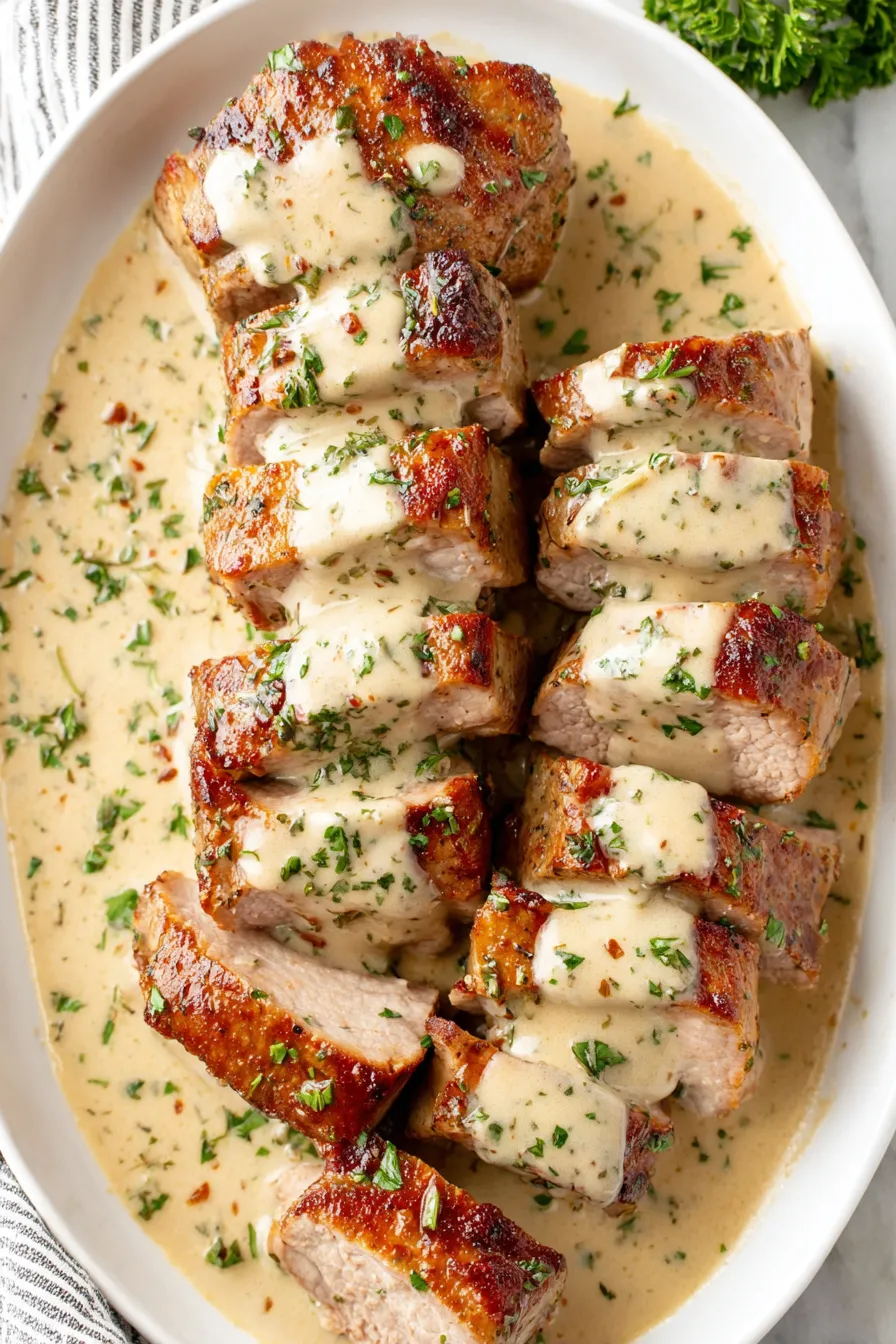
This Creamy White Wine Pork Tenderloin recipe makes perfectly juicy, tender, and flavorful steak every time! Serve with potatoes and a side salad for an unforgettable dinner in under 30 minutes.
Trim silver skin and excess fat from the pork, then slice into 1-inch rounds. Pat dry with paper towels and season both sides generously with salt and pepper.
Heat a large skillet over medium-high heat with olive oil and butter. When shimmering, add pork in a single layer and sear about 3 minutes per side until golden. Work in batches if needed and transfer cooked medallions to a plate to rest.
Reduce heat to medium, add minced garlic and herbs, cook 20–30 seconds, then pour in white wine and chicken broth. Scrape browned bits and reduce until liquid is reduced by more than half, about 3–5 minutes.
Stir heavy cream into the pan, then whisk in the cornstarch slurry. Bring to a gentle simmer and let the sauce thicken for 1–2 minutes. Taste and season with salt and pepper.
Return the seared pork to the skillet and simmer 3–5 minutes until internal temperature reaches 145°F and sauce is glossy. Sprinkle with chopped parsley and serve immediately.
Last Step: Please leave a rating and comment letting us know how you liked this recipe! This helps our business to thrive and continue providing free, high-quality recipes for you.
Leave a comment & rating below or tag
@paletina on social media!
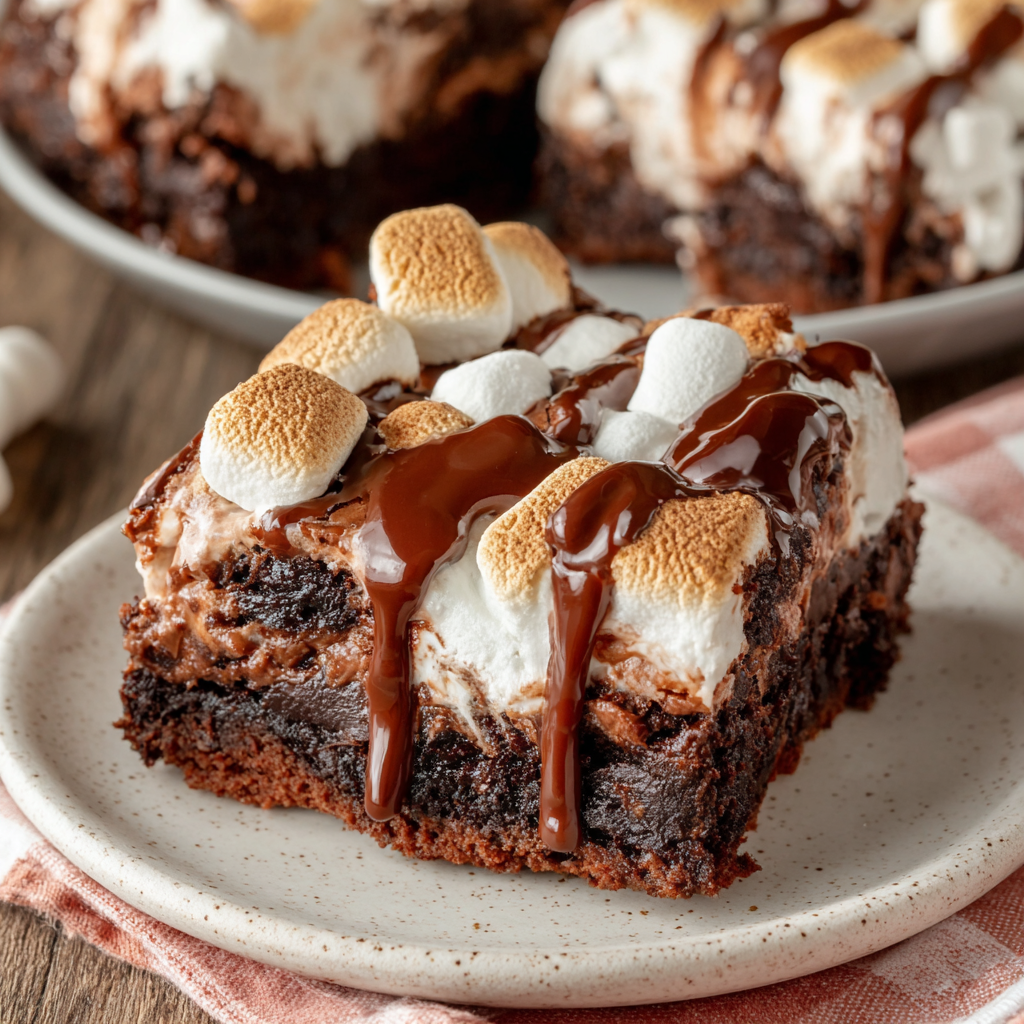
Ultra-fudgy brownies packed with chocolate chunks, crowned with gooey marshmallows and glossed with warm chocolate frosting for a decadent crowd-pleaser.
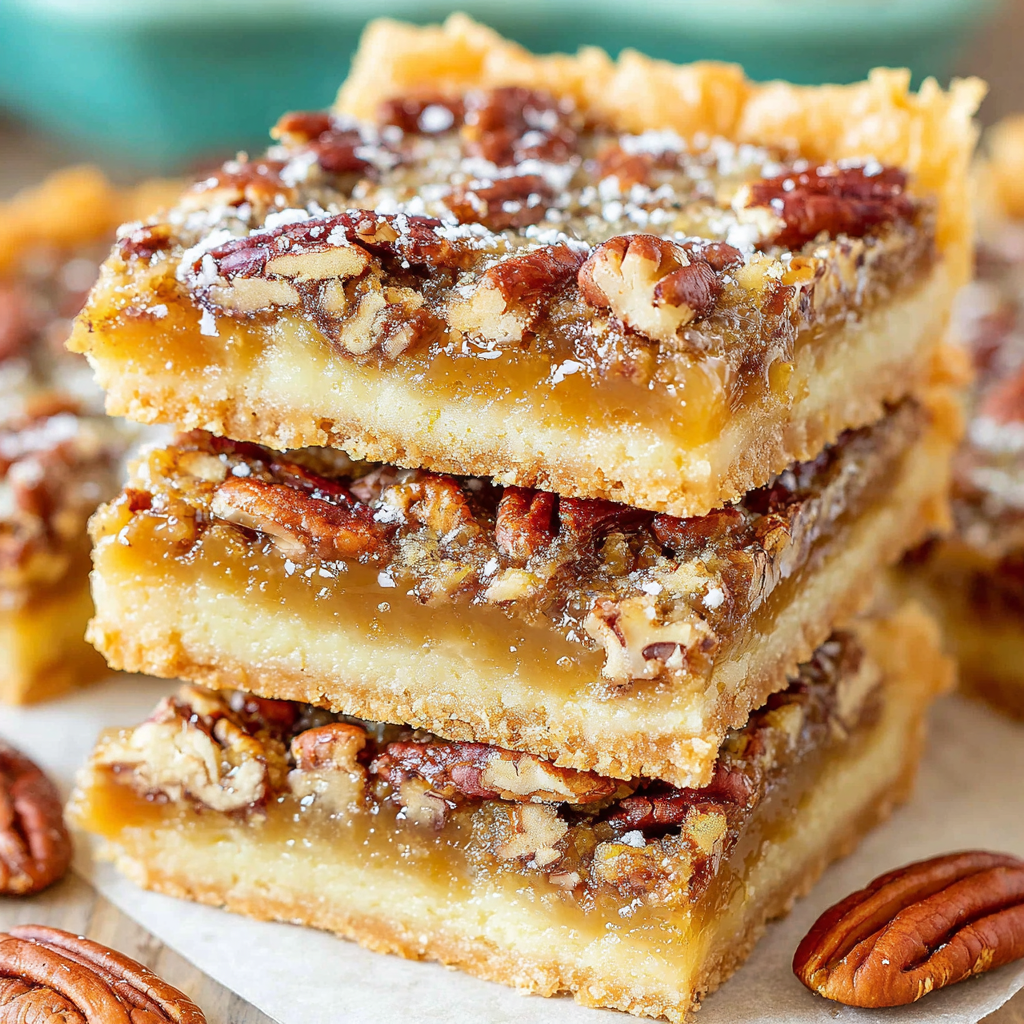
Buttery shortbread crust topped with a gooey brown sugar-pecan filling. Ten minutes to prep, irresistibly crunchy edges, and perfect for make-ahead treats.
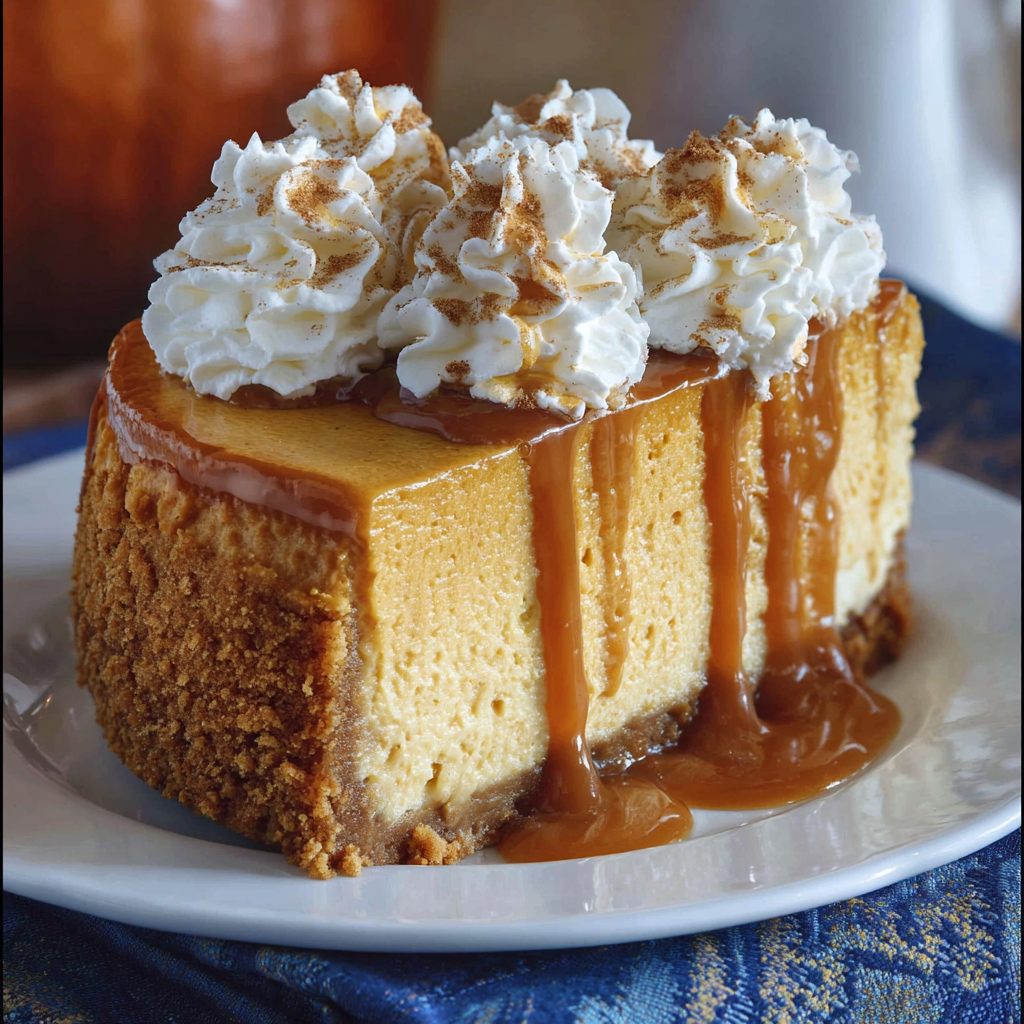
Silky, crack-free pumpkin cheesecake with warm spice, buttery graham crust, and make-ahead convenience for showstopping holiday dinners.
Leave a comment & rating below or tag @paletina on social media!
Enjoyed this recipe? Share it with friends and family, and don't forget to leave a review!
This recipe looks amazing! Can't wait to try it.
Comments are stored locally in your browser. Server comments are displayed alongside your local comments.

Join to receive our email series which contains a round-up of some of our quick and easy family favorite recipes.