
Classic Italian Bread (Homemade Batard)

A simple, traditional Italian loaf with a crisp crust and tender crumb — easy to make on a weeknight and perfect for sandwiches, soups, and dipping.
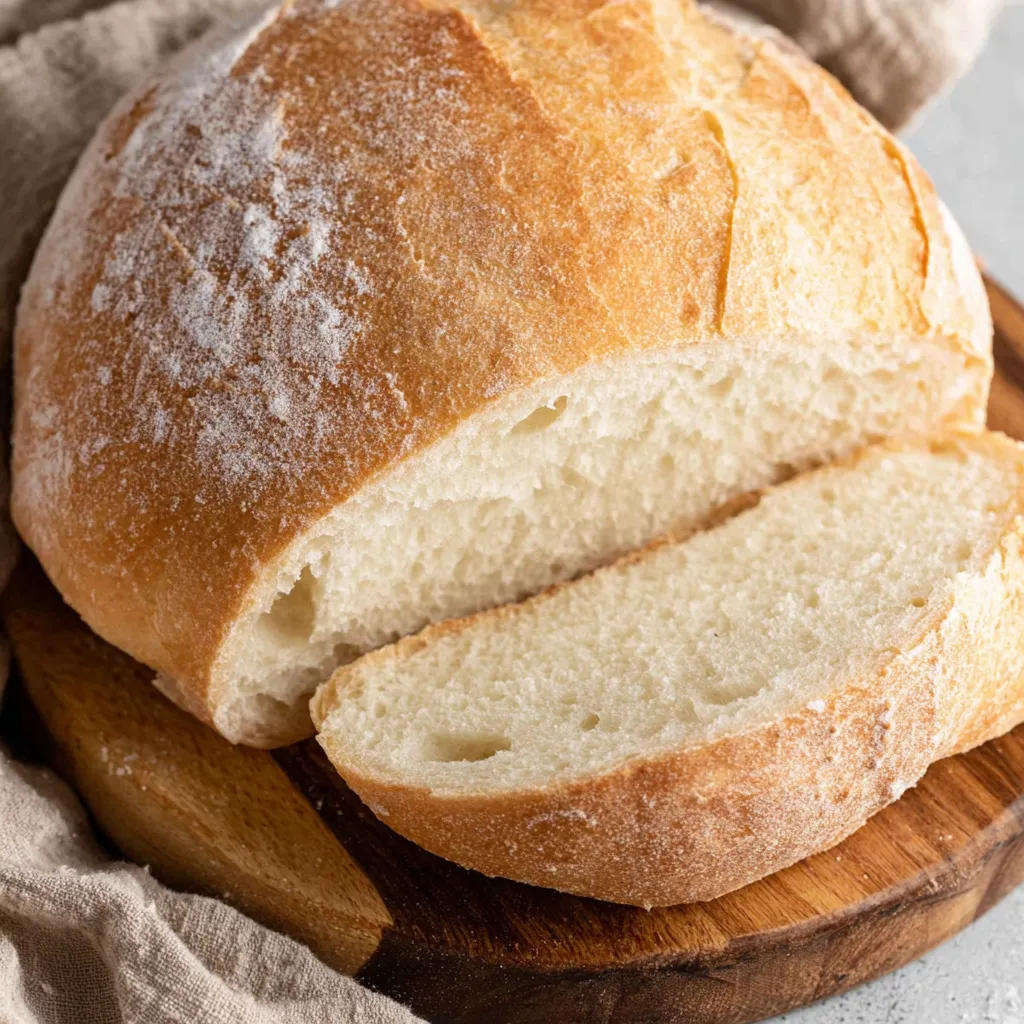
This Italian loaf has been a quietly triumphant addition to my weeknight baking for years. I first learned this straightforward method during a rainy weekend when my pantry was limited to flour, yeast, olive oil and a stubborn craving for fresh bread. The result surprised me: a golden batard with a crisp crust, an airy yet tender crumb, and that warm, toasty aroma that fills the kitchen and pulls everyone close. It is the kind of bread you slice thick for a simple sandwich, tear into at the table with olive oil, or use to sop up a robust tomato sauce.
What makes this version special is the combination of a short, manageable rise schedule and forgiving handling: you do not need professional equipment, and the dough responds well whether you knead by hand or in a mixer. The crust develops a beautiful caramelized color in a hot 400°F oven, and the loaf keeps its freshness for several days when stored properly. I often double the recipe and freeze one loaf for busy nights; defrosted and briefly reheated, it tastes almost as fresh as the day it was baked.
Why You'll Love This Recipe
- Reliable results even for enthusiastic beginners because the method uses clear visual cues: a foamy yeast bloom, a smooth elastic dough, and a puffy second rise.
- Ready in roughly 1 hour 45 minutes including rising time, with only about 20 minutes of active work—perfect for weeknight baking when you want fresh bread without an all-day commitment.
- Uses pantry staples—flour, yeast, sugar, salt and olive oil—so you can make it without a special trip to the store; easy to scale up for guests.
- Versatile loaf shape: bake as a 12-inch batard for sandwiches or shape into smaller rolls for individual servings.
- Make-ahead and freezer-friendly: double the batch, freeze one loaf unbaked or fully baked; reheat at 350°F for 10 minutes to restore crust crispness.
- Crowd-pleasing texture—crisp exterior with an open, tender crumb ideal for bruschetta, panini, or alongside a bowl of soup.
In my house this loaf has become the backbone of casual dinners. My partner loves thick slices for grilled cheese and our daughter eats toasted slivers with jam. Baking it taught me small techniques that changed my bread: keeping water at about 110°F to wake the yeast without killing it, and looking for a glossy, elastic dough during kneading rather than relying strictly on time.
Ingredients
- Active dry yeast (2 1/4 teaspoons / 1 packet): Use a fresh packet for best rise. Instant yeast can be substituted but reduce proofing time; look for brands like SAF or Red Star for consistent activity.
- Granulated sugar (1 teaspoon): Feeds the yeast for a reliable bloom. Use regular white sugar; honey or maple can be used but will subtly alter flavor and browning.
- Warm water (1 cup, about 110°F): Temperature is critical—too cool and the yeast will be sluggish; too hot and it will die. Use a thermometer for accuracy or aim for pleasantly warm to the wrist.
- Bread flour or all-purpose flour (2 1/2 cups): Bread flour gives better structure and chew due to higher protein; all-purpose works fine for a softer crumb. King Arthur and Bob's Red Mill are reliable choices.
- Olive oil (2 tablespoons): Adds tenderness and flavor to the crumb. Use a mild extra-virgin variety for best aroma; heavier oils will dominate the subtle wheat notes.
- Salt (1 teaspoon): Essential for flavor and to control yeast activity. Use fine sea salt or kosher salt measured by weight if possible; do not omit.
Instructions
Activate the yeast: In a large mixing bowl or the bowl of a stand mixer, sprinkle 2 1/4 teaspoons (one packet) active dry yeast and 1 teaspoon sugar into 1 cup of warm water (about 110°F). Stir gently and let stand 5 to 10 minutes until the surface becomes foamy and aromatic. If it does not foam, the yeast may be old—start again with fresh yeast. Mix and form dough: Add 2 cups of the flour, 2 tablespoons olive oil and 1 teaspoon salt to the foamy mixture. Stir with a wooden spoon or mix with a dough hook on low speed until you have a shaggy, cohesive mass. The initial addition of 2 cups of flour keeps the dough workable while you evaluate texture. Knead to develop gluten: Turn the dough onto a lightly floured surface and knead by hand about 10 minutes, gradually adding small amounts of the remaining 1/2 cup flour until you reach a soft, smooth and elastic dough. Alternatively, increase the stand mixer to medium speed and knead 5 minutes, adding flour sparingly. The dough should pass the windowpane test—stretching thin without tearing—indicating adequate gluten development. First rise: Shape the dough into a tight ball and place it in a lightly oiled bowl, turning once to coat. Cover with plastic wrap and let rise in a warm draft-free spot about 1 hour, or until doubled in size. Ideal environment is roughly 75°F; cooler kitchens will lengthen rising time. Shape and second rise: Punch down the risen dough gently to release gas. On a lightly floured surface, shape it into a batard approximately 12 inches long by folding and rolling to create surface tension. Transfer to a parchment-lined or lightly greased baking sheet. Cover with a clean tea towel and allow to rise another 20 to 30 minutes until noticeably puffy but not overinflated. Score and bake: Preheat oven to 400°F. Use a lame, razor blade, or sharp serrated knife to make several 1/4-inch deep slashes across the top—these control expansion and create the classic look. Bake 20 to 25 minutes until the crust is golden brown and the loaf sounds hollow when tapped on the bottom. An internal temperature of 200°F indicates doneness. Cool completely: Transfer the loaf to a cooling rack and let cool fully before slicing. Cutting too soon will compress the crumb and leave the interior gummy. Cooling for at least 45 minutes yields clean slices and optimal texture.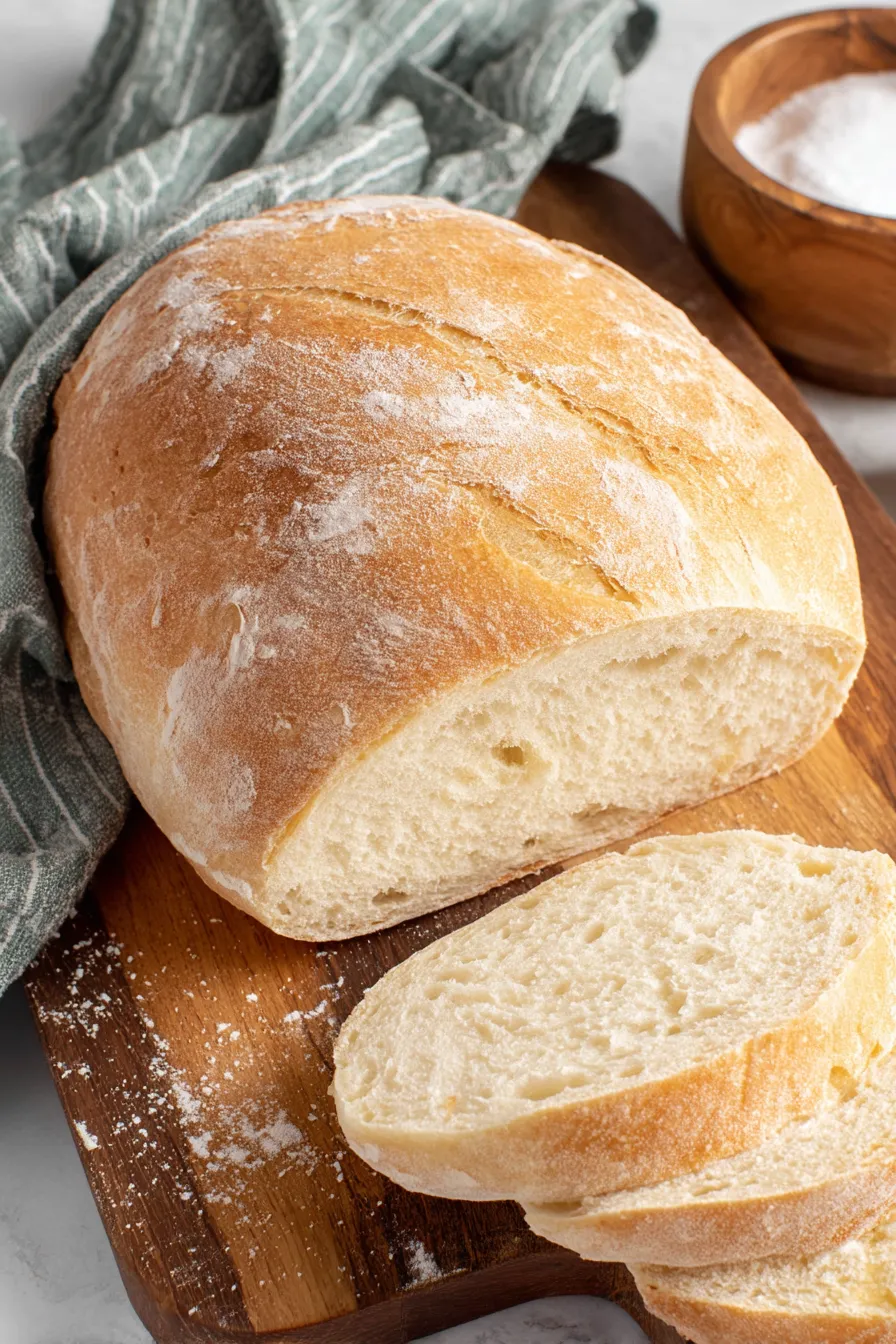
You Must Know
- The loaf freezes well for up to 3 months. Slice before freezing for easy portioning and toast straight from frozen.
- Active dry yeast needs warm water around 105°F to 115°F; if your kitchen is cold, allow the dough extra rising time or proof in a slightly warmed oven (turned off).
- This recipe is naturally dairy-free and vegetarian; it is not gluten-free due to the wheat flour content.
- For a crispier crust, place an oven-safe pan with a cup of hot water on the lower rack while baking to introduce steam in the first 10 minutes.
- Store at room temperature for two days in a paper bag to maintain crispness; for longer storage, wrap tightly and refrigerate or freeze.
My favorite part about this loaf is the ritual—mixing, feeling the dough transform under my hands, and the reward of that first warm slice with olive oil. Friends have brought this to potlucks and called it an instant hit; one neighbor told me it tasted like the bakery from his childhood. Those responses are why I keep this method simple and dependable: it encourages home bakers to try bread without intimidation.
Storage Tips
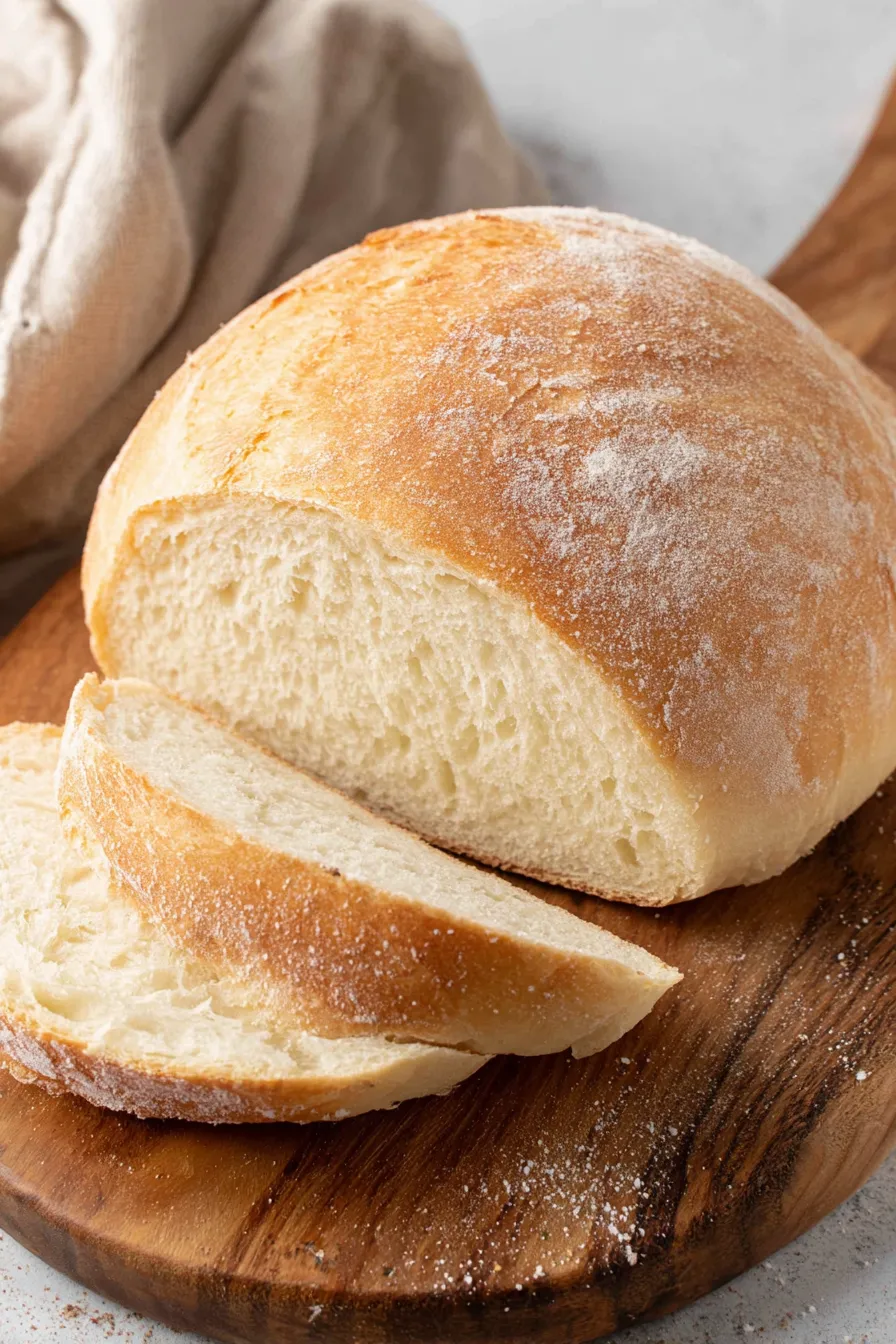
To retain crust and crumb quality, cool completely before storing. For short-term storage keep the loaf in a paper bag at room temperature; this allows the crust to remain crisp while the interior stays slightly moist. For multi-day storage, slice and place in an airtight container in the refrigerator for up to five days, or freeze slices in a freezer bag for up to three months. When reheating frozen slices, toast straight from the freezer or warm the whole loaf at 350°F for 10 to 12 minutes wrapped loosely in foil, then unwrap for a few minutes to re-crisp the crust.
Ingredient Substitutions
If you only have instant yeast, omit the proofing step and mix the yeast directly with the dry ingredients; expect slightly faster rise times. Swap bread flour for all-purpose if necessary—your crumb will be softer but still delicious. For a whole-wheat version substitute up to half the white flour with whole-wheat flour and add a tablespoon of extra water to compensate for bran absorption. Olive oil may be replaced with neutral vegetable oil or melted butter for richer flavor, though butter will add dairy.
Serving Suggestions
Serve warm with extra-virgin olive oil and flaky sea salt for dipping, or use thick slices for grilled sandwiches and panini. Pair with hearty soups like minestrone or with a simple platter of cured meats and cheeses for an easy Italian-style meal. Toasted slices topped with garlic, chopped tomatoes and basil make a quick bruschetta for appetizers. Garnish with fresh herbs or a drizzle of balsamic reduction for an elevated presentation at gatherings.
Cultural Background
The batard is a classic European shape—longer than a boule but shorter and wider than a baguette—commonly found in Italian and French home baking. Traditional Italian loaves emphasize high-quality grains and olive oil, favoring simplicity and texture over heavy enrichment. This loaf echoes rural Italian baking where ovens were used for multiple purposes and loaves were shaped to maximize even baking and portability for daily meals.
Seasonal Adaptations
In cooler months, add a tablespoon of finely chopped rosemary or a teaspoon of roasted garlic for warming flavors. During summer, serve the loaf alongside light salads and marinated vegetables. For holidays, fold in a couple tablespoons of roasted nuts and dried fruit for a slightly sweet, festive variant—reduce sugar slightly if using sweet additions. Adjust rising time in cold kitchens by using a proofing box or a slightly warmed oven to ensure consistent results.
Meal Prep Tips
For meal prep, bake two loaves: use one immediately and freeze the other. Slice the second loaf and flash-freeze slices on a tray before transferring to a freezer bag—this prevents sticking and makes it easy to grab single portions. Pre-slice the active loaf after cooling and store slices in a breathable bag for easy sandwiches over the week. Reheat slices in a toaster or oven for crisp edges and refreshed aroma.
Fresh bread is one of the simplest joys of home cooking. With minimal ingredients, a little patience and these techniques you will have a dependable loaf that becomes a staple. Try different flours and flavor add-ins over time to make the loaf your own and enjoy sharing it around the table.
Pro Tips
Always check water temperature; 105°F to 115°F is ideal to activate active dry yeast without damaging it.
Use a sharp blade to score the dough cleanly; dragging a dull knife will tear the surface and inhibit proper oven spring.
Allow the loaf to cool fully before slicing to prevent a gummy crumb and ensure clean slices.
This nourishing classic italian bread (homemade batard) recipe is sure to be a staple in your kitchen. Enjoy every moist, high protein slice — it is perfect for breakfast or as a wholesome snack any time.
FAQs about Recipes
What if my yeast does not foam?
If the yeast does not become foamy after 10 minutes, it may be inactive. Discard and start with fresh yeast and warm water around 110°F.
Can I freeze the bread?
Yes. Slice before freezing and reheat in a 350°F oven for 10 minutes or toast slices directly from frozen for best texture.
Tags
Classic Italian Bread (Homemade Batard)
This Classic Italian Bread (Homemade Batard) recipe makes perfectly juicy, tender, and flavorful steak every time! Serve with potatoes and a side salad for an unforgettable dinner in under 30 minutes.
Instructions
Activate the yeast
Combine 2 1/4 teaspoons active dry yeast and 1 teaspoon sugar with 1 cup warm water (about 110°F). Let sit 5 to 10 minutes until foamy.
Mix and form dough
Add 2 cups flour, 2 tablespoons olive oil, and 1 teaspoon salt to the foamy mixture and stir until shaggy. Reserve remaining flour.
Knead the dough
Knead by hand 10 minutes or in stand mixer 5 minutes, adding the remaining flour sparingly until the dough is soft, smooth, and elastic.
First rise
Place dough in an oiled bowl, turn to coat, cover and let rise 1 hour until doubled.
Shape and second rise
Punch down, shape into a 12-inch batard, place on prepared baking sheet, cover and let rise 20 to 30 minutes until puffy.
Score and bake
Preheat oven to 400°F, score the loaf with 1/4-inch slashes, and bake 20 to 25 minutes until golden and hollow-sounding.
Cool
Cool completely on a rack before slicing, at least 45 minutes.
Last Step: Please leave a rating and comment letting us know how you liked this recipe! This helps our business to thrive and continue providing free, high-quality recipes for you.
Nutrition
Did You Make This?
Leave a comment & rating below or tag
@paletina on social media!
Categories:
You might also like...
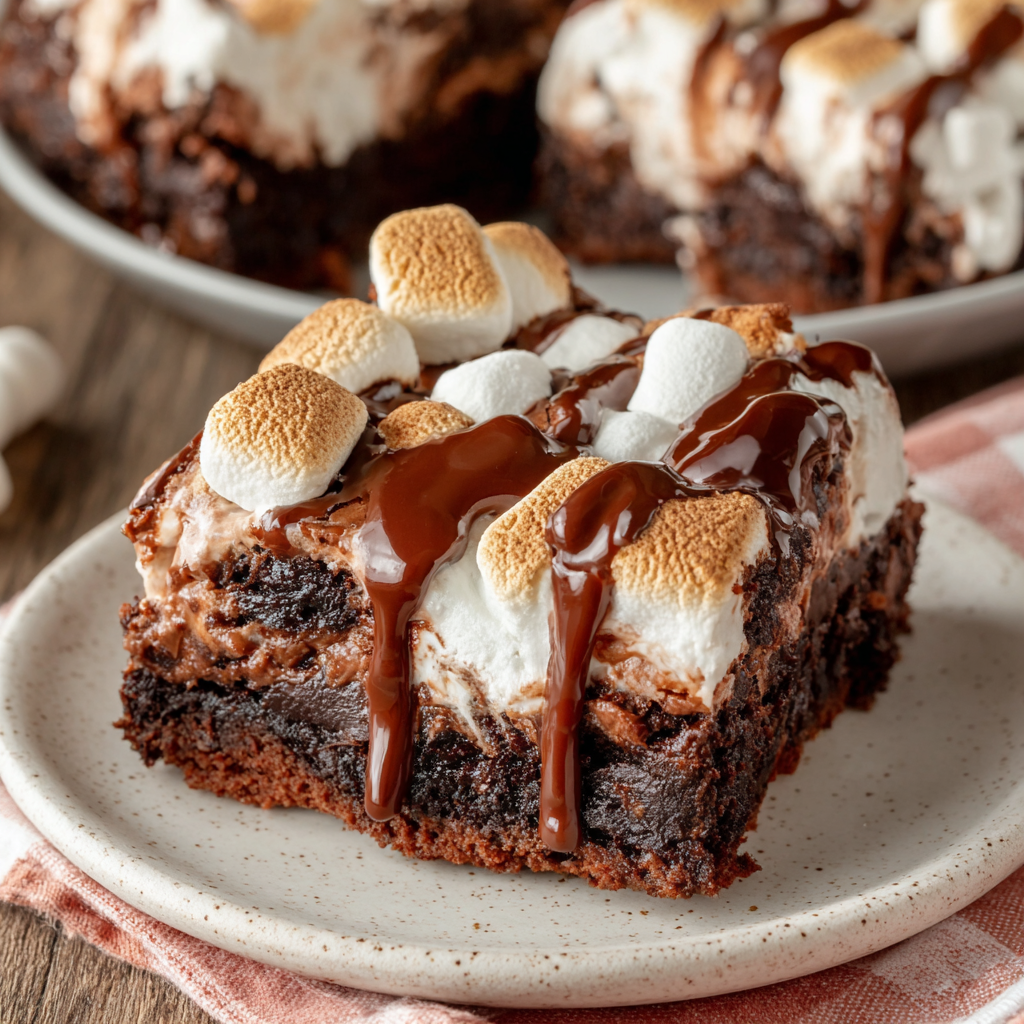
Chocolate Chunk Marshmallow Brownies
Ultra-fudgy brownies packed with chocolate chunks, crowned with gooey marshmallows and glossed with warm chocolate frosting for a decadent crowd-pleaser.
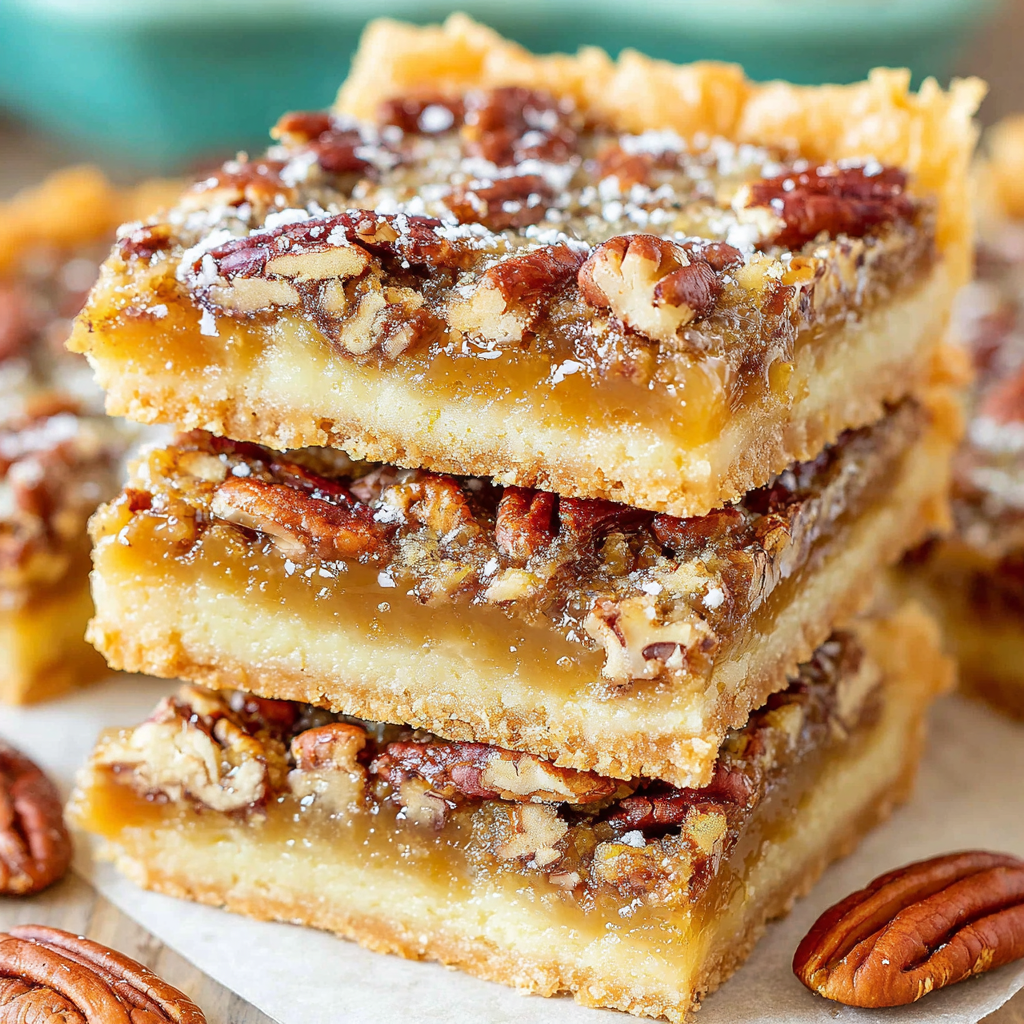
Buttery Pecan Pie Bars
Buttery shortbread crust topped with a gooey brown sugar-pecan filling. Ten minutes to prep, irresistibly crunchy edges, and perfect for make-ahead treats.
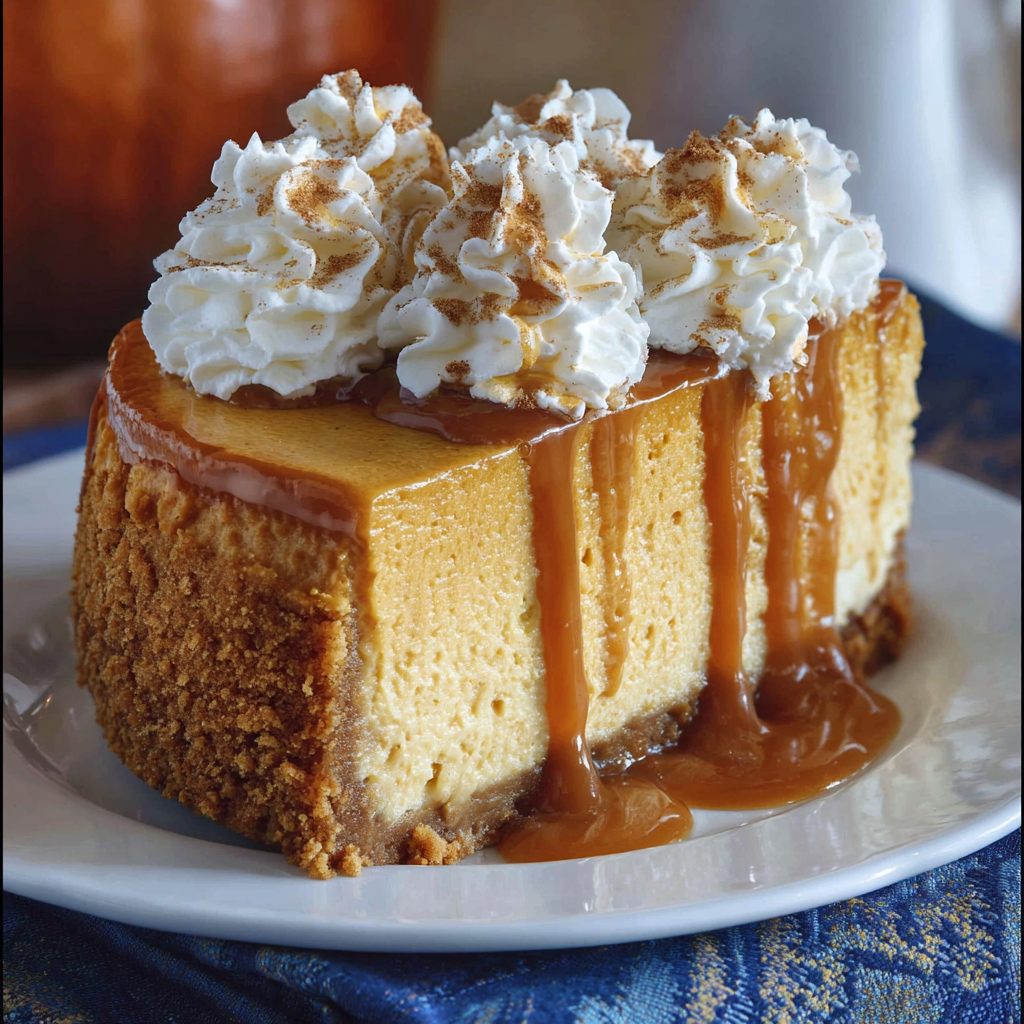
Creamy Pumpkin Cheesecake
Silky, crack-free pumpkin cheesecake with warm spice, buttery graham crust, and make-ahead convenience for showstopping holiday dinners.
Did You Make This?
Leave a comment & rating below or tag @paletina on social media!
Rate This Recipe
Share This Recipe
Enjoyed this recipe? Share it with friends and family, and don't forget to leave a review!
Comments (1)
This recipe looks amazing! Can't wait to try it.
Comments are stored locally in your browser. Server comments are displayed alongside your local comments.

Hi, I'm Isabella!
What's Popular
30-Minute Meals!
Join to receive our email series which contains a round-up of some of our quick and easy family favorite recipes.