>>

A vibrant, spiced oven-roasted cabbage with carrots, curry leaves, and toasted coconut—easy, fragrant, and perfect as a weeknight side or light main.
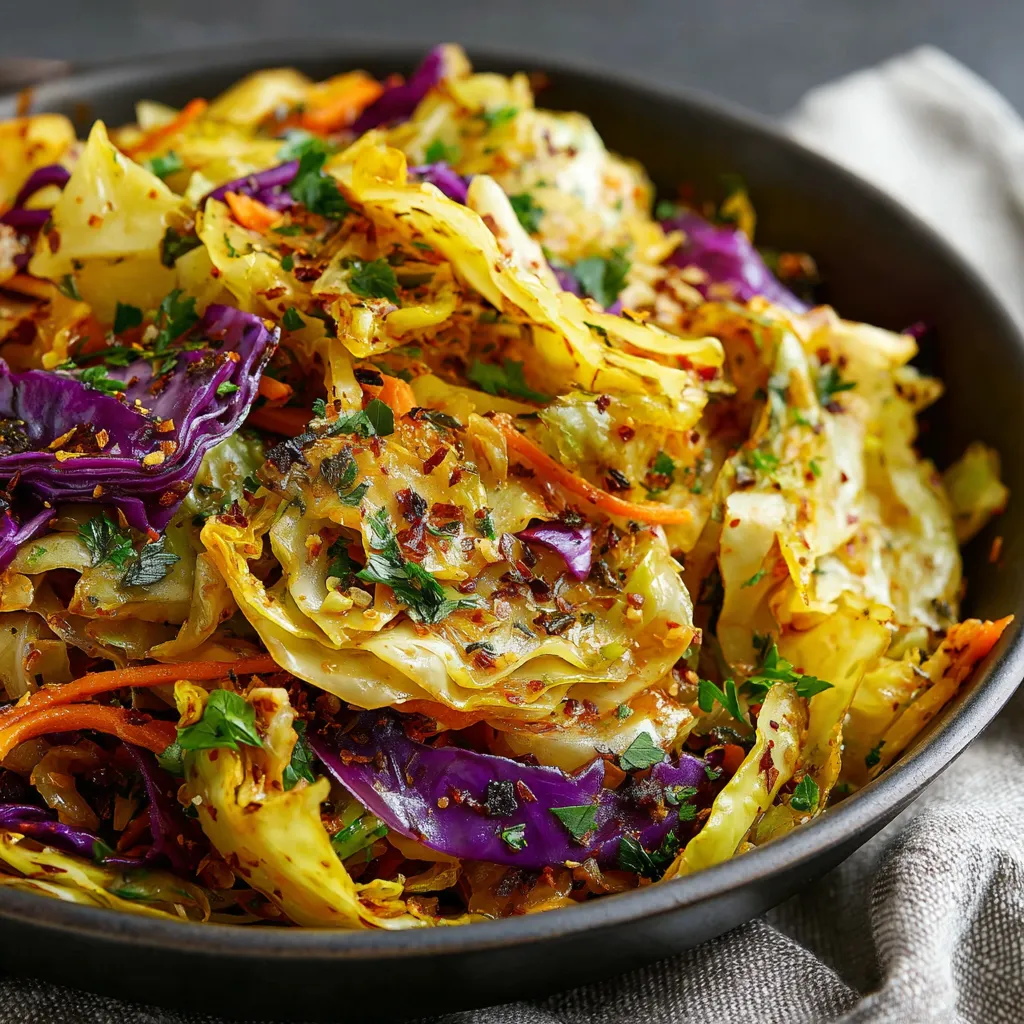
This Indian Cabbage Oven Roast has become a weekday favorite in my kitchen because it turns humble ingredients into something bright, fragrant, and deeply satisfying. I first put this combination together on a rainy evening when I had a head of cabbage that needed rescuing and a pantry full of warm spices. The result was unexpectedly addictive: tender cabbage with crisped edges, a hint of heat from green chilies, and the tropical sweetness of freshly grated coconut. It’s the kind of dish that invites conversation at the table and disappears quickly when served with rice or flatbread.
What makes this preparation special is the interplay of textures and aromas. The oven concentrates the flavors, caramelizing the cabbage edges and coaxing the natural sugars forward while keeping the interior tender. The curry leaves and cumin seeds give an unmistakable South Indian lift, and a final squeeze of lemon brightens everything. I often pair it with plain yogurt raita or spiced lentils for a modest but memorable meal. This version is dairy-free and easily vegan when you skip optional garnishes, making it accessible for many diets without sacrificing flavor.
I first served this to family on a casual Saturday and was surprised by how quickly my partner and children asked for second helpings. The curry leaves and the faintly toasted coconut made everyone take notice—my mother even asked for the recipe. Over time I've adjusted the chilies to accommodate different appetites and learned that a brief roast at high heat gives the most appealing texture contrast.
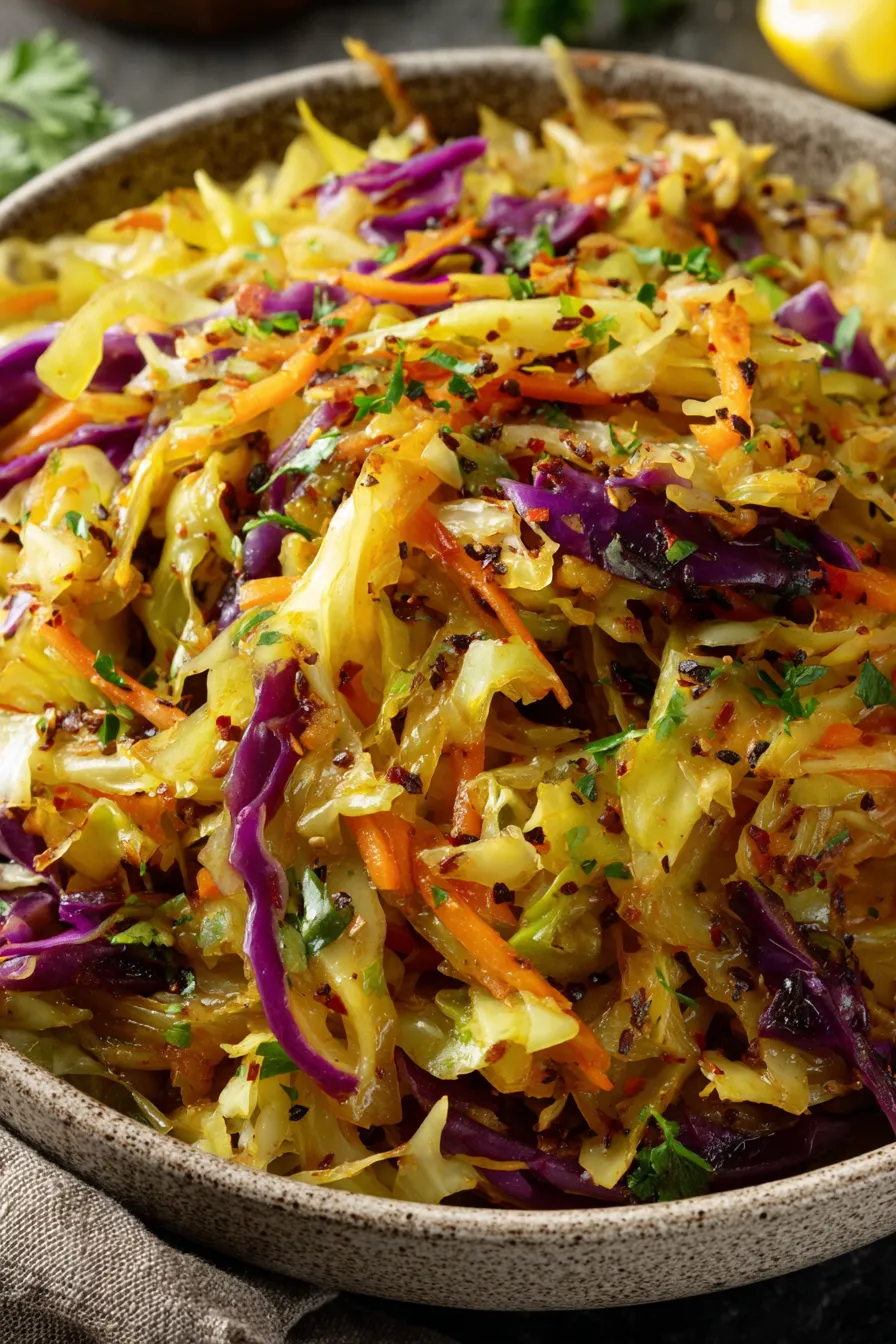
My favorite aspect is how quickly the kitchen fills with bright, citrusy and toasted aromas as soon as the roast comes out of the oven. Family members often drift in, curious, and then linger for a second plate. Cooking discoveries have taught me to trust a high initial oven temperature for edge caramelization and to reserve the herbs and lemon until the end for the freshest flavor.
Cool leftovers at room temperature briefly, then transfer to an airtight container and refrigerate within two hours. Properly stored, the roast keeps 3 days in the fridge. For longer storage, spread cooled vegetables on a tray, freeze solid, then transfer to a freezer-safe bag for up to 3 months. Reheat gently in a skillet over medium heat or in a 350°F oven until warmed through; avoid microwaving from frozen to prevent sogginess. If texture softens after storage, a quick pan-sear with a teaspoon of oil restores some crispness. Fresh herbs and lemon are best added just before serving to maintain brightness.
If you’re allergic to peanuts, use sesame oil or neutral vegetable oil and substitute crushed roasted sunflower seeds or pumpkin seeds for the peanut garnish. No curry leaves? Use a bay leaf and a pinch of hing (asafoetida) as a distant alternative—flavor will change but remain aromatic. If fresh coconut is unavailable, use 2 tablespoons sweetened or unsweetened desiccated coconut rehydrated briefly in warm water. To boost protein, toss in 1 can rinsed chickpeas or 1 cup cubed, pan-seared paneer during the last 5 minutes of roasting. Adjust salt and lemon to compensate when adding salty cheese or canned legumes.
Serve warm as a colorful side with steamed basmati rice, dal, or grilled fish for a balanced meal. For a vegetarian plate, add a bowl of cumin-scented lentils and a cooling cucumber raita. Garnish with extra cilantro, toasted coconut, or crushed peanuts for contrast. It also works well in wraps—pile it into warm flatbreads with plain yogurt and sliced onions for a portable lunch. On special evenings, pair with spiced roasted potatoes and a crisp salad to round out textures and flavors.
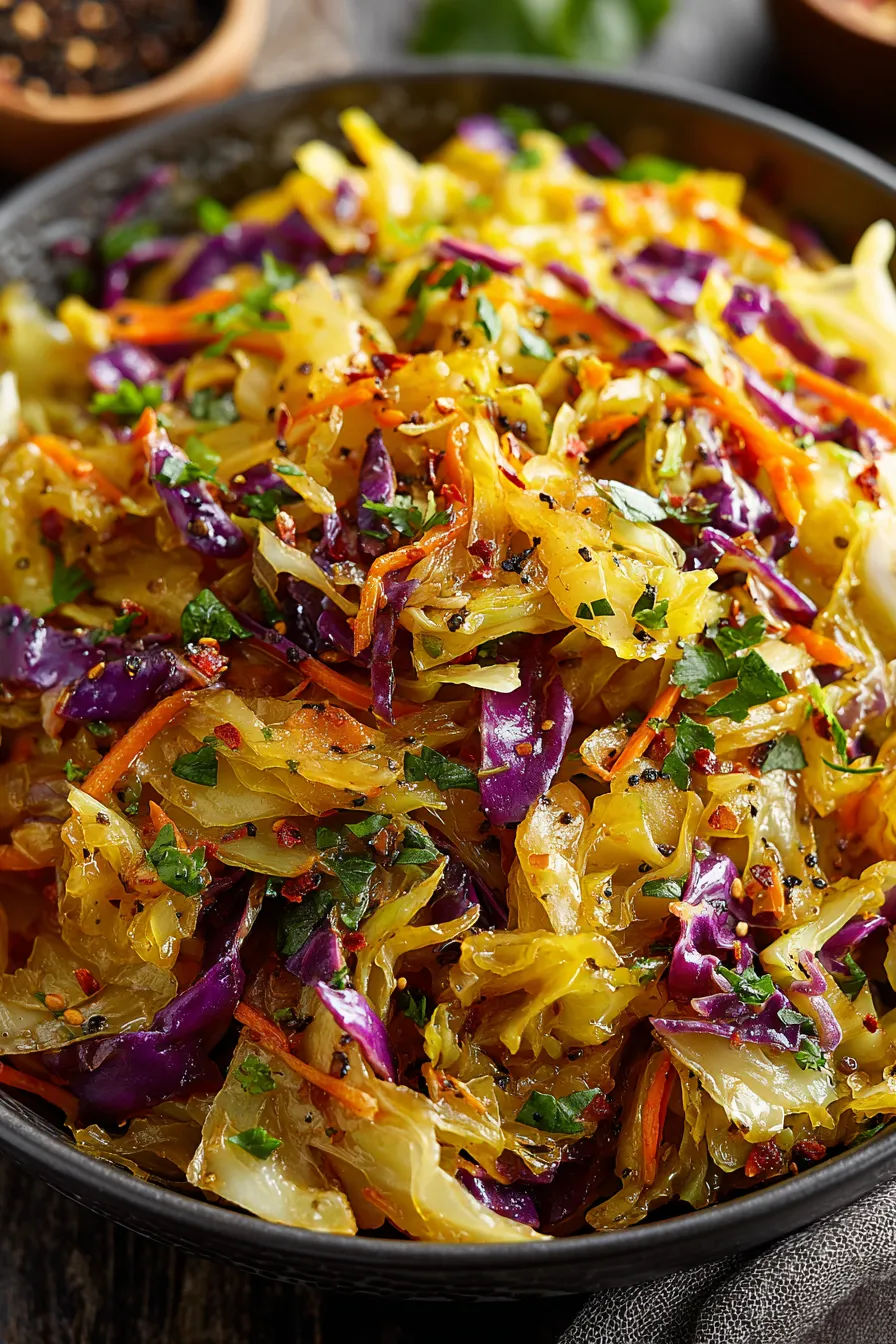
This preparation draws on South Indian tempering and flavor notes—curry leaves, mustard or cumin seeds, and coconut are hallmarks of coastal and southern cuisines. Cabbage is a versatile vegetable used across India in both dry stir-fries and sauced dishes; when paired with coconut and curry leaves it leans toward coastal traditions where coconut oil and fresh coconut are common. The oven-roasting technique is a modern, efficient adaptation that retains traditional spices while embracing simple, hands-off cooking suitable for contemporary kitchens.
In winter, add a splash of roasted sesame oil at the end and toss in roasted squash cubes for extra heartiness. In summer, keep it light with extra cilantro and a pinch of sugar snapped off by lemon juice for brightness. For holiday gatherings, double the batch and mix in golden raisins and toasted cashews to create a slightly richer, festive side. Adjust chilies and garnishes seasonally—use fresh green chilies in late summer and preserved green chili paste in colder months.
Make a double batch at the weekend and portion into microwave-safe containers for quick lunches. If preparing for the week, store coconut and cilantro separately and add them just before serving to preserve texture and color. To reheat, warm in a skillet with a teaspoon of oil until edges re-crisp, then finish with fresh lemon. This maintains the texture better than reheating in the microwave. Label containers with date and serve within three days for best quality.
End with confidence: this Indian Cabbage Oven Roast is forgiving, adaptable, and perfect for cooks who want bold flavor with minimal fuss. Try it once and the aroma alone will make it a repeat in your rotation.
Shred the cabbage thinly so it roasts evenly and develops crisp edges without drying out.
Toast cumin seeds briefly in the hot oil to release their aroma before combining with other ingredients.
Reserve fresh cilantro and lemon until the end to preserve bright, fresh flavors.
If the cabbage releases a lot of water while roasting, spread it thinner on the sheet and roast a bit longer for better caramelization.
Use a hot oven (400°F) for the first 20 minutes to get those desirable browned edges, then reduce heat slightly if needed.
This nourishing indian cabbage oven roast recipe is sure to be a staple in your kitchen. Enjoy every moist, high protein slice — it is perfect for breakfast or as a wholesome snack any time.
This Indian Cabbage Oven Roast recipe makes perfectly juicy, tender, and flavorful steak every time! Serve with potatoes and a side salad for an unforgettable dinner in under 30 minutes.
Preheat the oven to 400°F (200°C). Line a baking sheet with parchment paper and gather a large mixing bowl, grater, and spatula. Preheating helps ensure immediate caramelization when vegetables are placed in the oven.
In a large bowl whisk together 3 tablespoons oil, 2 teaspoons grated ginger, 1 tablespoon chopped green chilies, 1 teaspoon cumin seeds, 1/2 teaspoon turmeric, 1/2 teaspoon red pepper flakes or 1/4 teaspoon cayenne, and salt to taste. Let the spices bloom in the oil for full flavor.
Add 4 cups shredded cabbage, 1 cup grated carrots, and 8 curry leaves to the spiced oil. Toss thoroughly so each piece is lightly coated. If mixture looks dry, add up to 1/2 tablespoon more oil to ensure even roasting.
Spread the vegetable mixture in a single layer on the prepared sheet. Roast at 400°F for 20–25 minutes, stirring once halfway through. Look for tender cabbage and slightly caramelized edges as visual cues.
Remove from the oven and top with 1/4 cup grated coconut, 2 tablespoons chopped cilantro, and lemon juice to taste. Toss gently and sprinkle optional crushed peanuts or sesame seeds before serving.
Heat 3 tablespoons oil in a skillet over medium-high heat. Add 1 teaspoon cumin seeds and optional 1/2 teaspoon mustard seeds; allow to pop. Add curry leaves, ginger, and chilies for 30–60 seconds, then add turmeric, red pepper flakes, salt, cabbage, and carrots. Stir-fry 8–12 minutes until tender and golden at the edges. Finish with coconut, cilantro, and lemon.
Last Step: Please leave a rating and comment letting us know how you liked this recipe! This helps our business to thrive and continue providing free, high-quality recipes for you.
Leave a comment & rating below or tag
@paletina on social media!
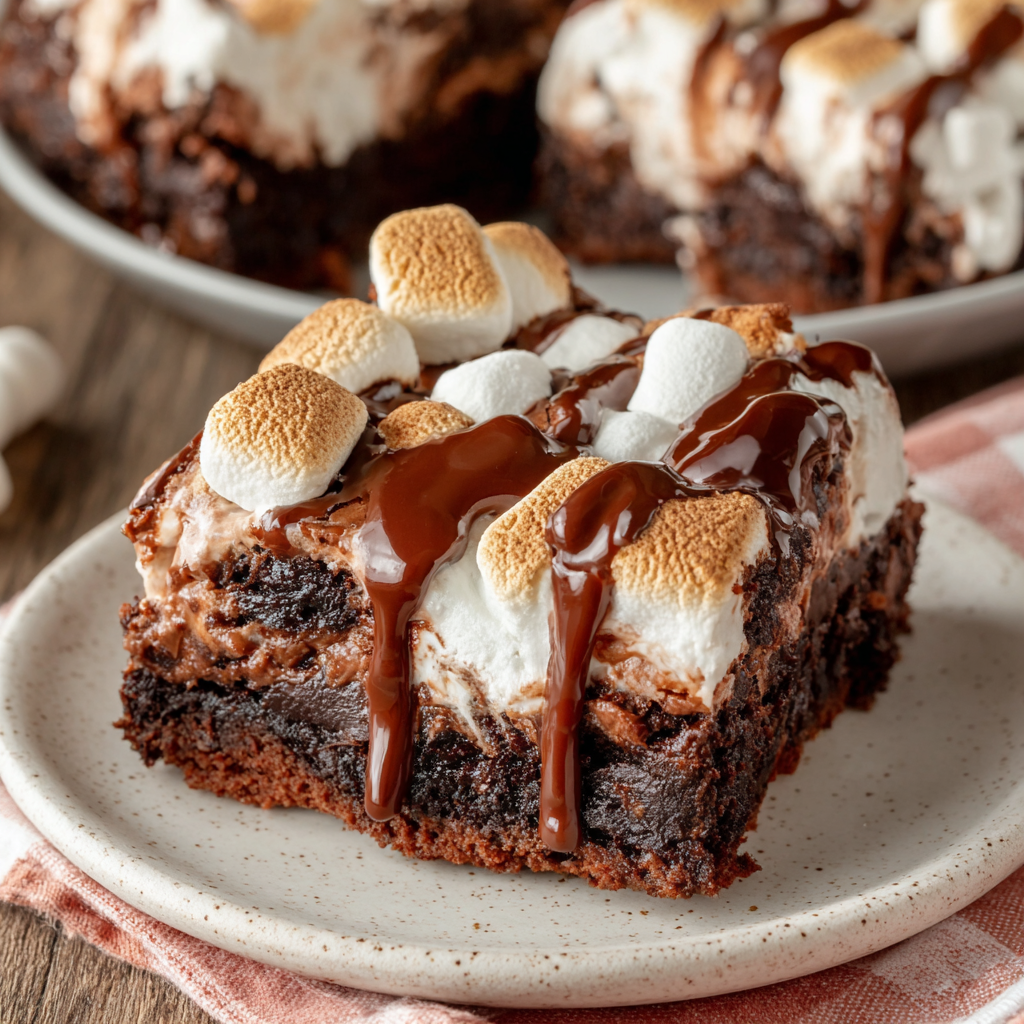
Ultra-fudgy brownies packed with chocolate chunks, crowned with gooey marshmallows and glossed with warm chocolate frosting for a decadent crowd-pleaser.
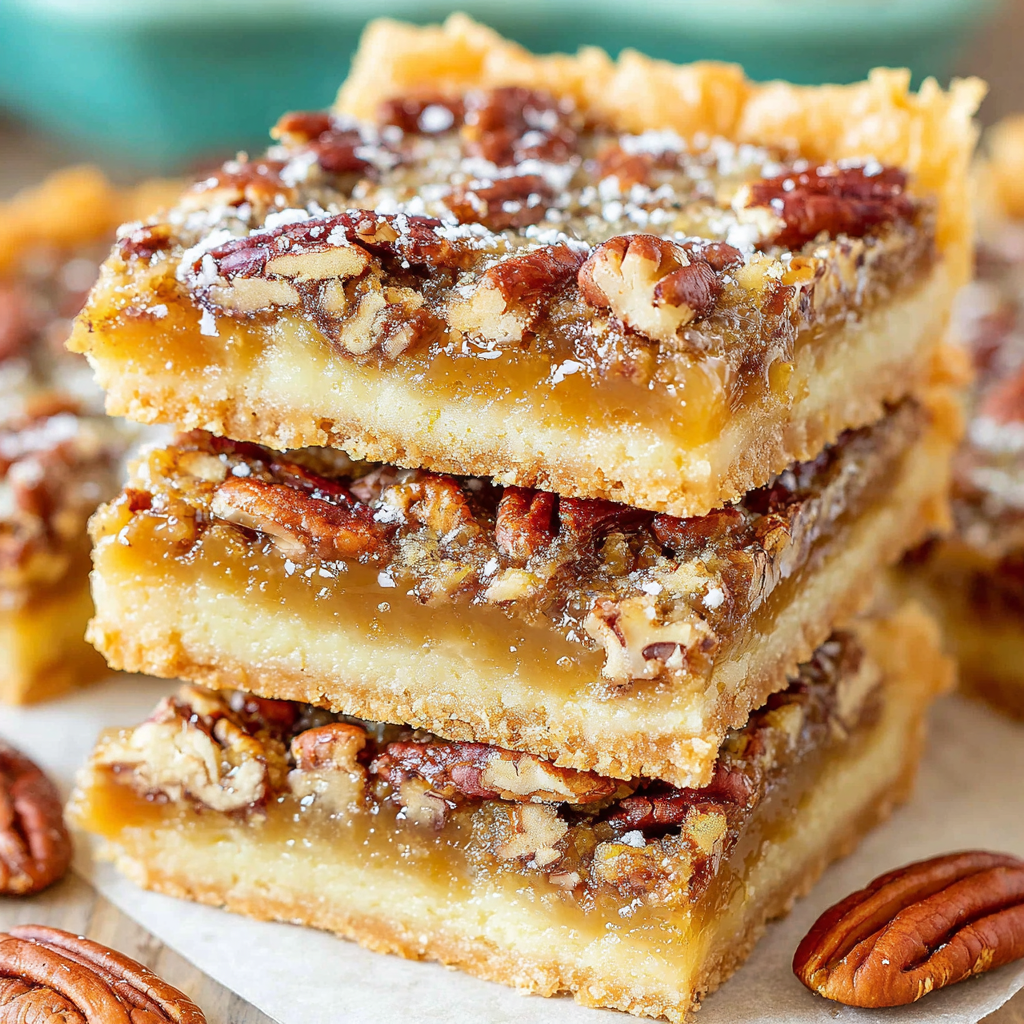
Buttery shortbread crust topped with a gooey brown sugar-pecan filling. Ten minutes to prep, irresistibly crunchy edges, and perfect for make-ahead treats.
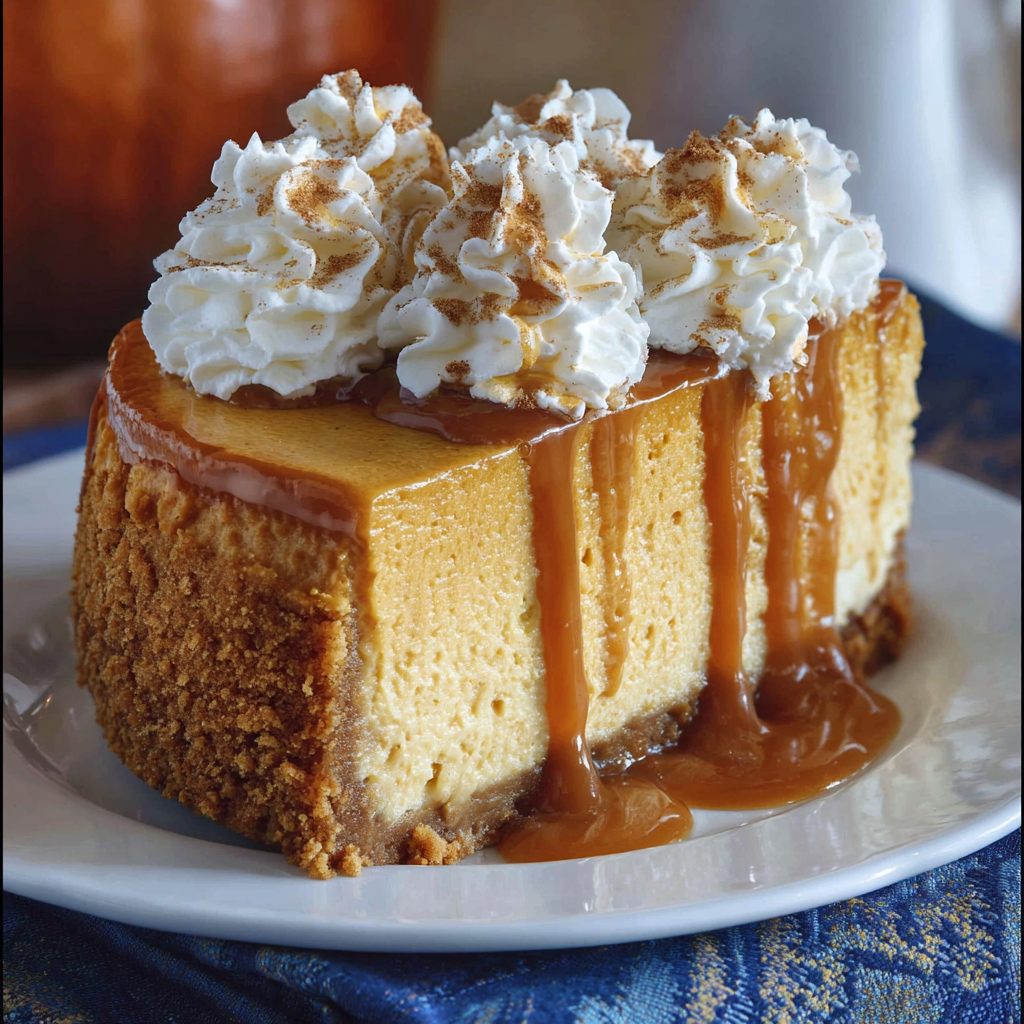
Silky, crack-free pumpkin cheesecake with warm spice, buttery graham crust, and make-ahead convenience for showstopping holiday dinners.
Leave a comment & rating below or tag @paletina on social media!
Enjoyed this recipe? Share it with friends and family, and don't forget to leave a review!
This recipe looks amazing! Can't wait to try it.
Comments are stored locally in your browser. Server comments are displayed alongside your local comments.

Join to receive our email series which contains a round-up of some of our quick and easy family favorite recipes.