>>

A bright, zesty tartar sauce made with creamy mayonnaise, crunchy dill pickles, capers, and fresh parsley — perfect for fish, fries, and sandwiches.
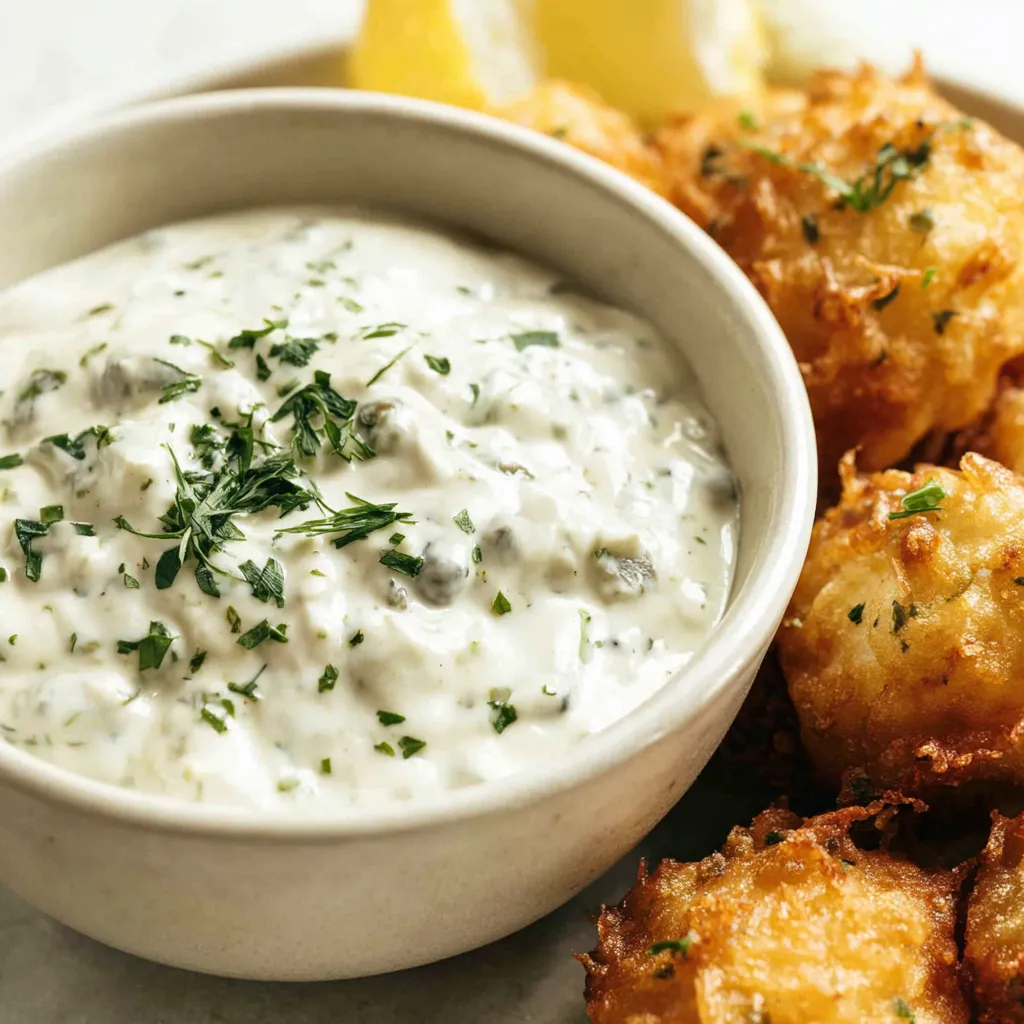
This tartar sauce has been a kitchen staple in my house for years, rescuing weeknight fish dinners and elevating simple fries into something celebratory. I first landed on this particular balance of flavors on a rainy Saturday when I wanted a quick condiment that tasted like it belonged in a seaside bistro. The result was a tangy, slightly briny sauce with a creamy base and little pops of texture from chopped pickles and capers that made everyone at the table smile. It’s simple enough to toss together in ten minutes yet refined enough to feel homemade and intentional.
What I love about this recipe is its honesty: good mayonnaise, bright lemon, mustard for backbone, and a few small add-ins that bring personality. The texture is creamy with tiny crunchy bits that give each bite interest, while the lemon and mustard cut through the richness so it never feels heavy. Over time I adjusted the sugar and hot sauce to suit our palate; these little calibrations let the sauce play well with fried fish, roasted vegetables, or as a spread on a hearty sandwich. It’s one of those condiments I make in small batches and always wish I made more of.
In my experience this version reliably wins over picky eaters because it’s familiar yet elevated. Family members often tell me they prefer it to store-bought brands, and guests comment on how fresh and balanced it tastes. I’ve learned that a short rest period after mixing amplifies those bright notes and makes it taste like it took far longer to prepare.
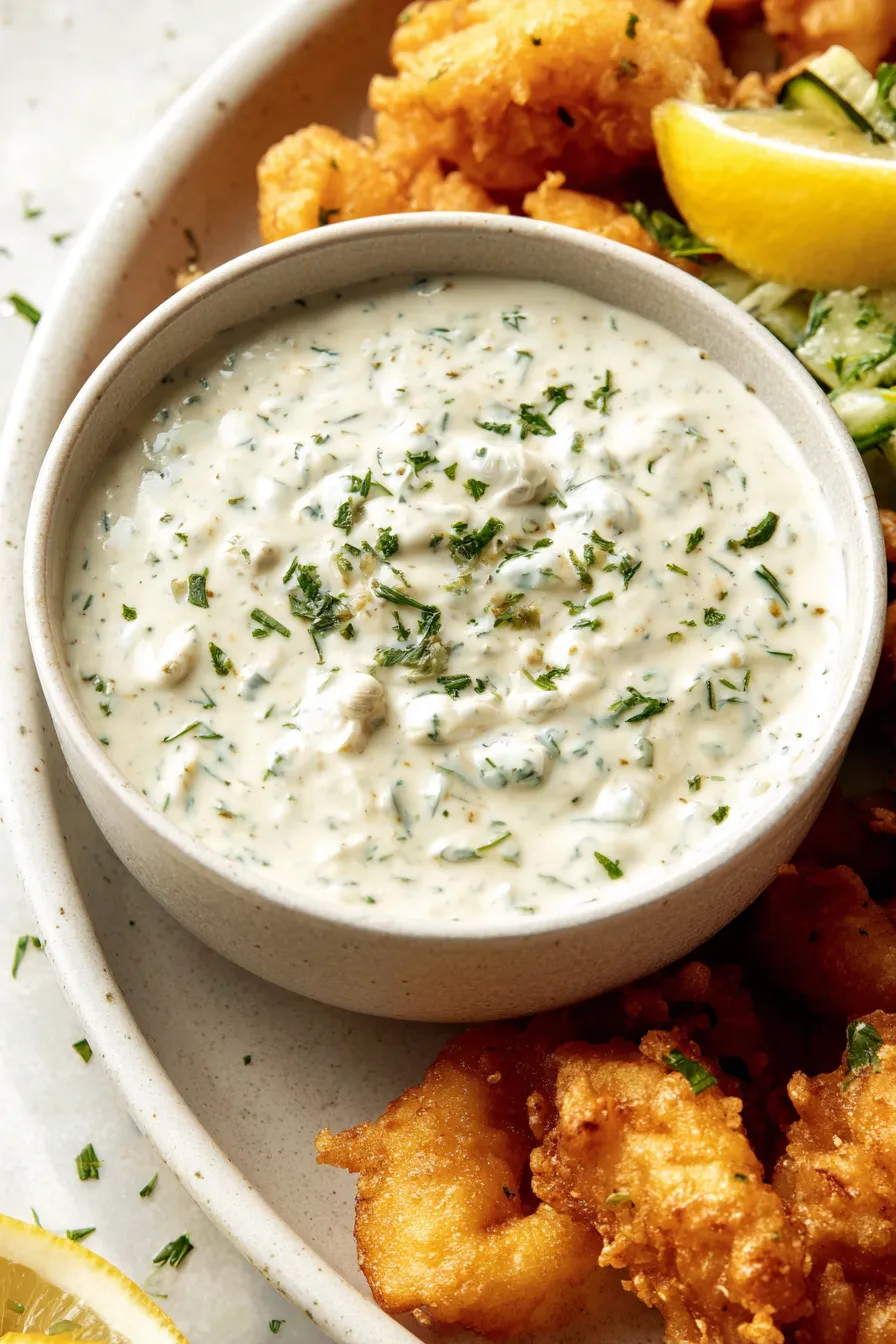
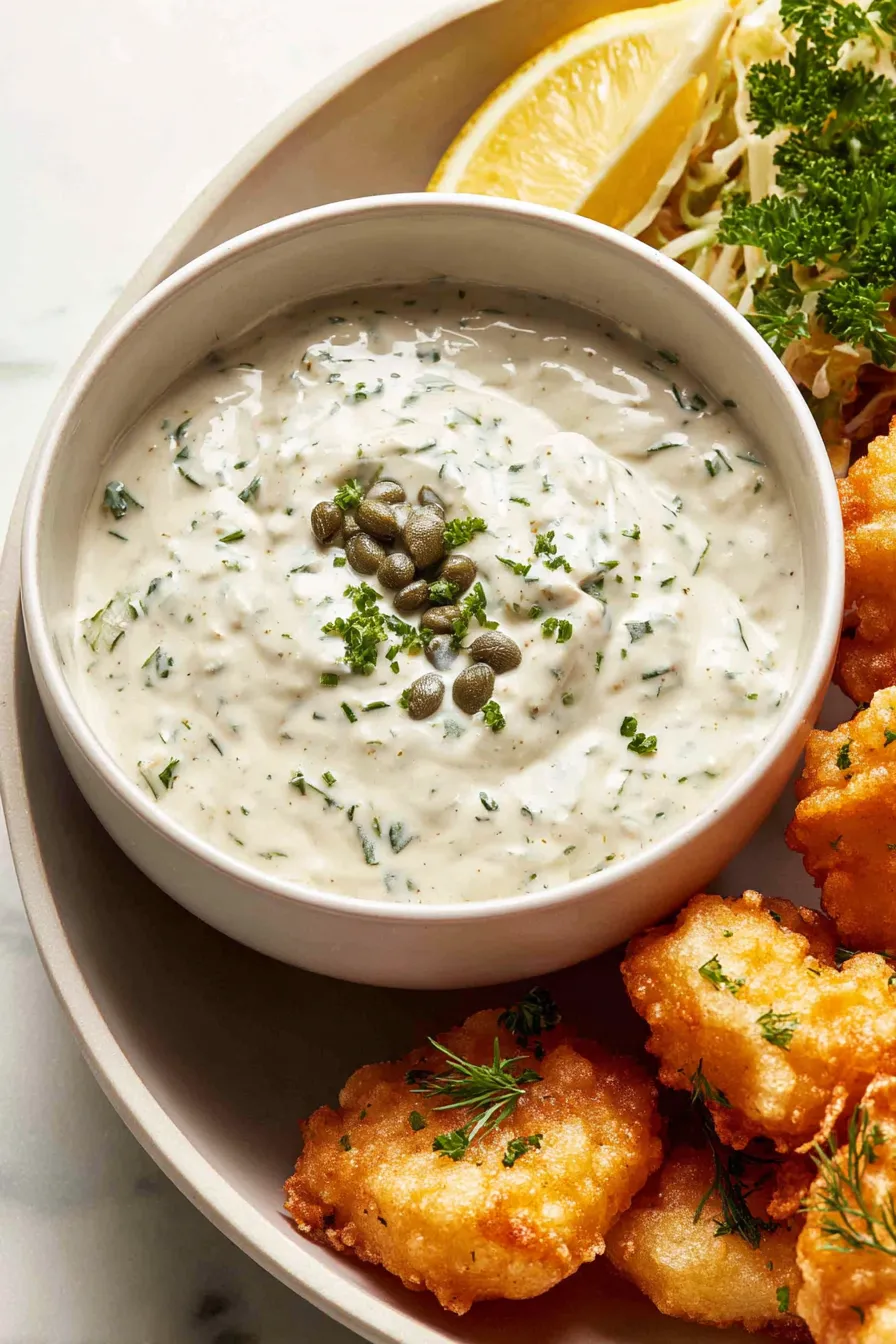
My favorite part about this preparation is how forgiving it is. Small tweaks make big differences: a touch more mustard gives structure, a splash more lemon lifts the finish, and a few extra chopped pickles increase crunch without changing the base. Friends often request the recipe because it transforms simple fish sticks into a memorable dinner and provides a creamy, flavorful counterpoint to fried or roasted foods.
Store the sauce in an airtight container in the refrigerator; it keeps well for up to one week. Use glass jars with tight-fitting lids to prevent odor transfer and to allow you to see the sauce level. Avoid leaving it at room temperature for extended periods; discard if left out for more than two hours. To reawaken a slightly thickened sauce after refrigeration, stir in a teaspoon of lemon juice or a few drops of water and whisk until smooth. If freezing, expect a change in texture — mayonnaise-based sauces can separate, so freezing is not recommended.
For a lighter version, swap half the mayonnaise for Greek yogurt, though the sauce will be tangier and less rich. Use vegan mayonnaise to make it plant-based; maintain the same ratios. If you don’t have capers, substitute a small amount of chopped green olives for briny notes. For a smoother spreadable texture, replace chopped pickles with 1/4 cup sweet or dill relish. Adjust sugar and lemon when using relish, as some relishes are sweeter and can change the balance.
Serve alongside pan-fried or beer-battered fish, on fish tacos, with crab cakes, or as a dipping sauce for fries and roasted root vegetables. For sandwiches, spread a thin layer on both slices of bread to add moisture and tang without overwhelming fillings. Garnish with a small sprinkle of chopped parsley or a thin lemon wheel for presentation. This sauce also pairs well with smoked salmon on bagels when used sparingly to not overpower delicate fish.
Tartar sauce has roots in European cuisine and was traditionally served with seafood; its name likely references the Tatar people, though the exact etymology is unclear. Over time it evolved in different regions, with variations in Europe and North America emphasizing local ingredients such as capers, pickles, and herbs. The modern American version leans on mayonnaise as a base and highlights bright, acidic components to cut through fried food, reflecting coastal and bistro traditions that celebrate fresh seafood accompaniments.
In spring and summer, brighten the sauce with extra chopped fresh herbs like tarragon or chives and a splash of lemon zest. In winter, add a teaspoon of finely grated pickled onion or a pinch more mustard for warmth. For holiday gatherings, mix in a tablespoon of finely chopped cornichons and a teaspoon of caper brine to make the flavor bolder and more festive. These small seasonal shifts help the sauce pair with seasonal produce and proteins.
Make a batch at the beginning of the week and store it in a labeled jar for quick lunches and dinners. Portion into small containers for packed lunches to keep sandwich bread from getting soggy. If preparing for a buffet, place the sauce in a shallow bowl with a small spoon and replenish from the jar as needed to maintain freshness. Keep a small container of chopped pickles and capers on hand to stir into a base mayo for last-minute finishing.
After sharing this sauce at a summer cookout, a friend told me it reminded him of a seaside restaurant he visited as a child. My partner always requests an extra jar for weekends when we cook fish, and I once brought a small batch to a potluck where it became the surprise favorite with roasted potatoes. Every time someone tastes it, they comment on how fresh and homemade it tastes compared with store-bought options.
This simple, reliable sauce is one of those small kitchen wins that makes ordinary meals feel considered and complete. Try it as written first, then make it yours with small adjustments — the process is half the fun and the results are always rewarding.
Chop pickles and capers finely so each bite has a balanced texture and flavor.
Let the sauce rest at least 30 minutes in the refrigerator to allow flavors to meld and intensify.
Adjust salt after chilling because cold dulls perceived saltiness; add small increments and re-taste.
For a smoother texture use relish instead of chopped pickles and pulse briefly in a food processor.
This nourishing classic tartar sauce recipe is sure to be a staple in your kitchen. Enjoy every moist, high protein slice — it is perfect for breakfast or as a wholesome snack any time.
Yes. This keeps up to one week when stored in an airtight container in the refrigerator. Discard if left at room temperature for more than two hours.
Yes. Use vegan mayonnaise and confirm pickles and capers contain no animal-derived additives to make a plant-based version.
Recipe data validation failed
Please check the recipe data format. See console for details.
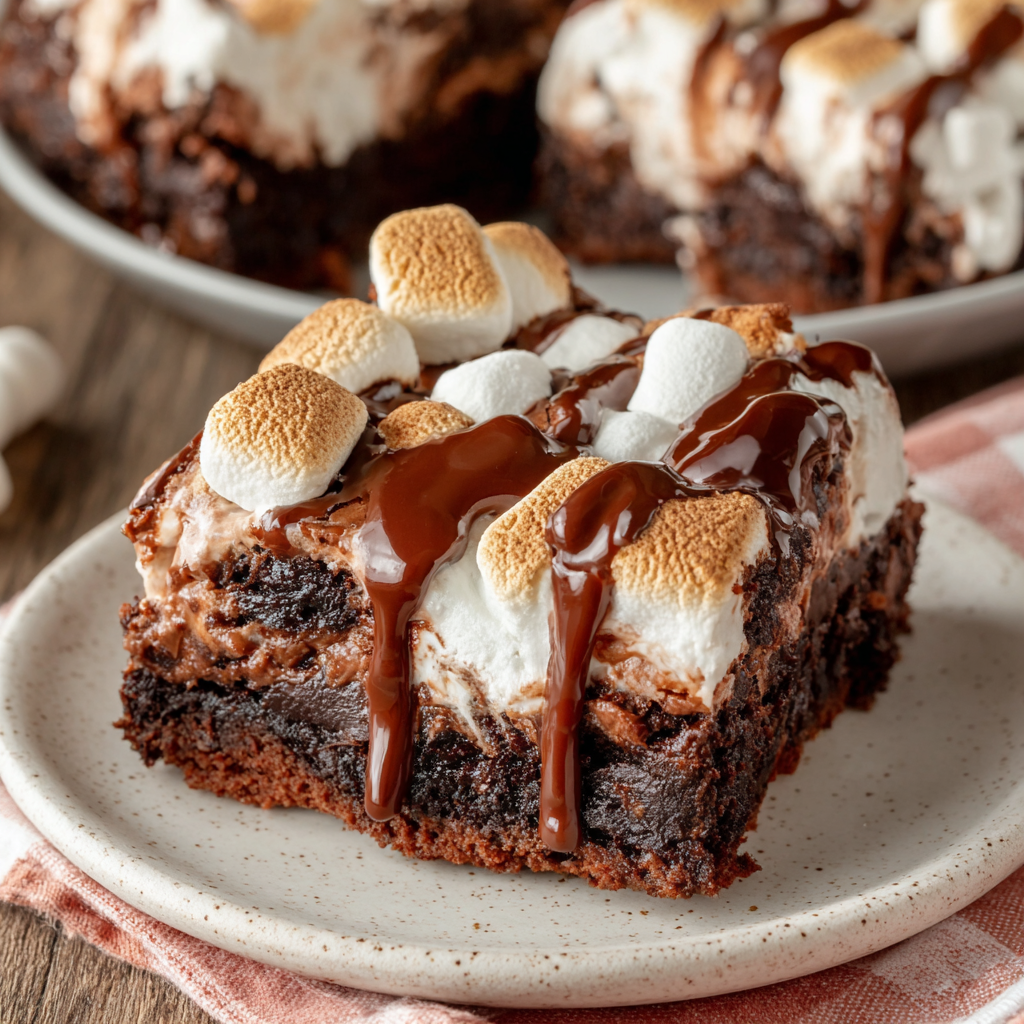
Ultra-fudgy brownies packed with chocolate chunks, crowned with gooey marshmallows and glossed with warm chocolate frosting for a decadent crowd-pleaser.
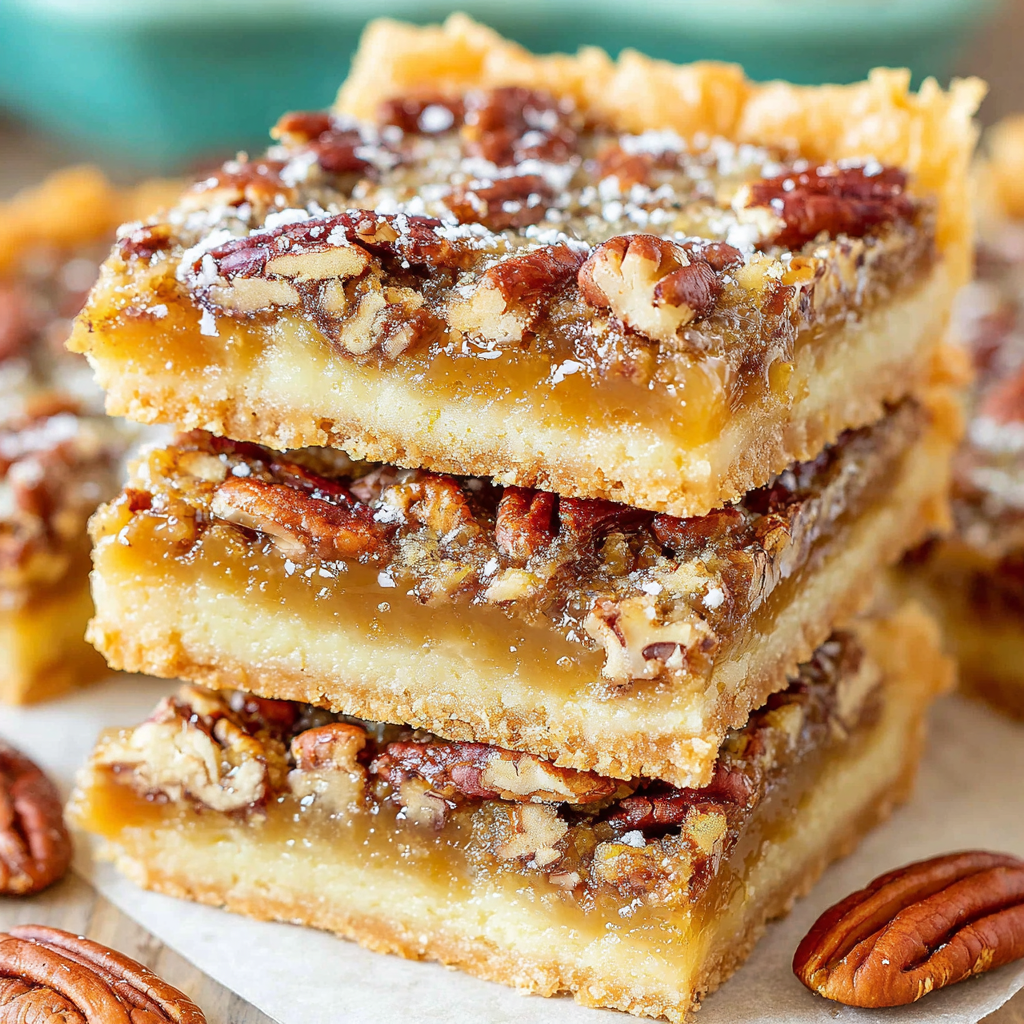
Buttery shortbread crust topped with a gooey brown sugar-pecan filling. Ten minutes to prep, irresistibly crunchy edges, and perfect for make-ahead treats.
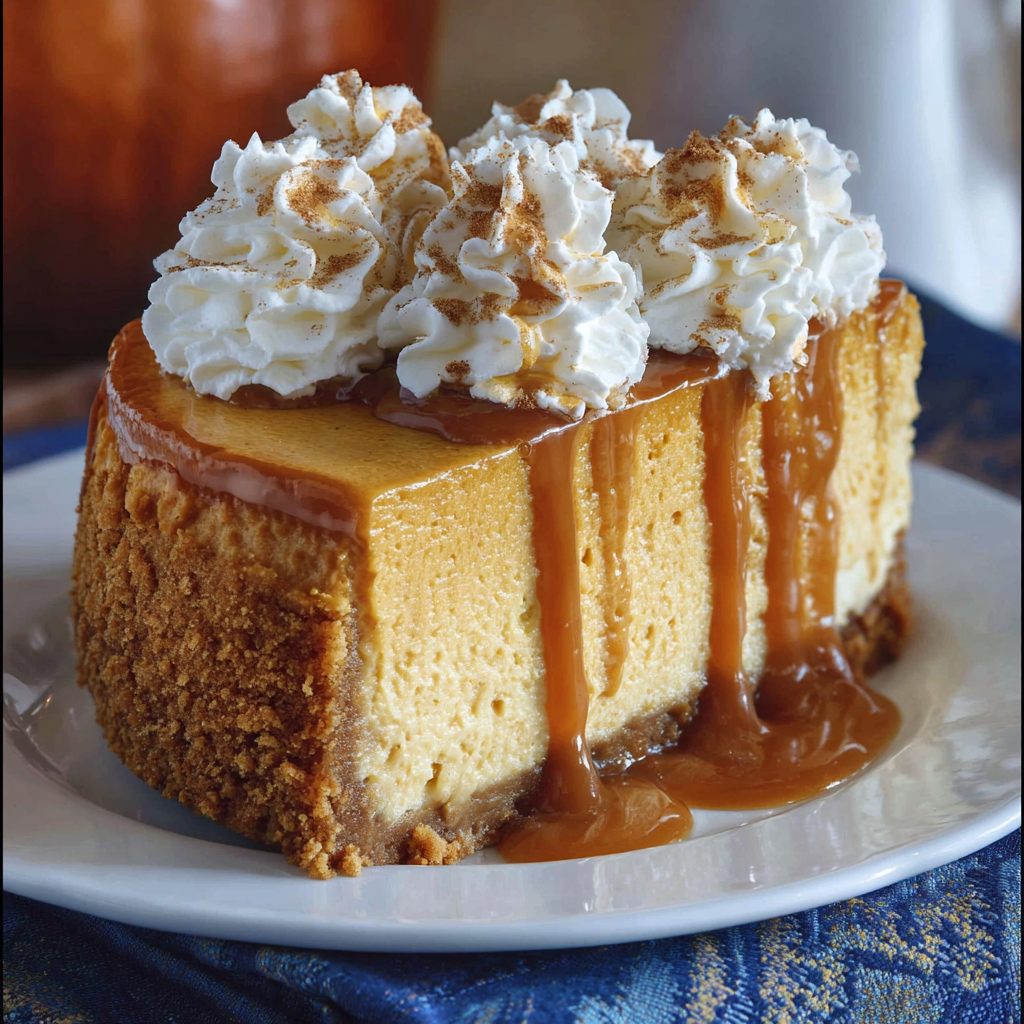
Silky, crack-free pumpkin cheesecake with warm spice, buttery graham crust, and make-ahead convenience for showstopping holiday dinners.
Leave a comment & rating below or tag @paletina on social media!
Enjoyed this recipe? Share it with friends and family, and don't forget to leave a review!
This recipe looks amazing! Can't wait to try it.
Comments are stored locally in your browser. Server comments are displayed alongside your local comments.

Join to receive our email series which contains a round-up of some of our quick and easy family favorite recipes.